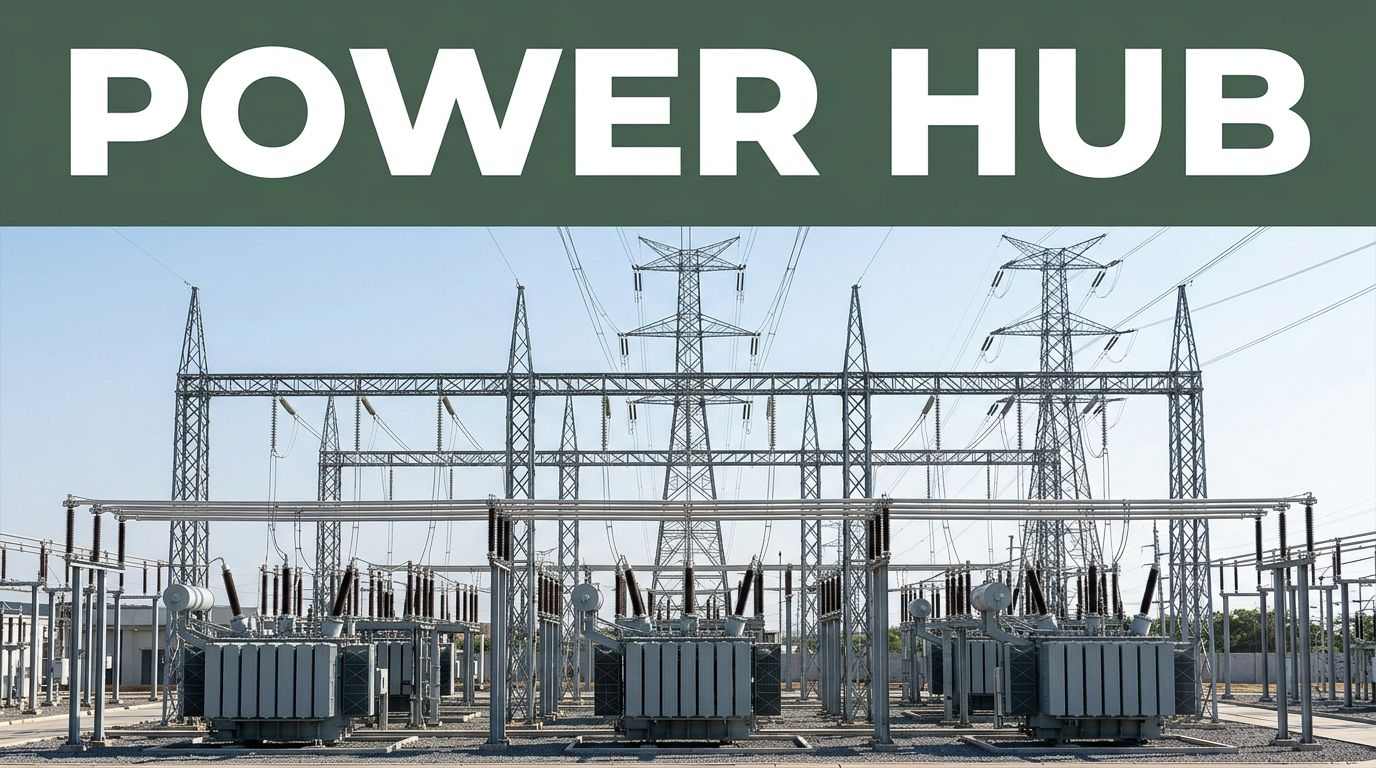
Flip a switch and power shows up fast. But the path your electricity takes is not simple. It travels over long lines, changes voltage multiple times, and gets protected when something goes wrong. The role of substations in power delivery is what makes that trip possible without drama.
A substation is a key station in the power grid that adjusts voltage levels, routes power flows, and protects the system. In plain terms, substations help electricity move from power plants to homes safely. They also help keep service steady when demand changes, storms hit, or more clean energy flows onto the grid.
You can think of substations as “traffic managers” for electricity. They guide power onto the right routes and keep faults from spreading. Next, we’ll walk through the power journey, then break down the major parts inside a substation. After that, we’ll cover types, real-world challenges, and what upgrades are changing in 2026.
How Substations Act as Gatekeepers in the Power Grid Journey
Electricity does not leave a power plant and magically appear at your outlet. It has to be moved over distance, matched to voltage needs, and controlled at major junction points. Substations handle that work every step of the way.
In most US grids, the supply chain runs from generation to transmission and then distribution. Substations sit in the middle, where voltage transformation and switching happen. For an overview of how the grid segments connect, see electricity transmission and distribution background.
Step-Up: Boosting Voltage for Long-Distance Travel
First, power plants send electricity out at medium voltage. But medium voltage does not travel efficiently over hundreds of miles. So nearby step-up substations raise voltage for long-distance lines, often into the 275 to 735 kV range.
Why does higher voltage help? It reduces current for the same power. Lower current means less energy lost as heat in the wires. It also allows operators to move more power using the existing right-of-way. Imagine zipping down a long highway. You can keep speed up without using as much “effort” per mile.
Inside a step-up substation, transformers do the heavy lifting. They raise voltage so the grid can carry power farther with fewer losses. At the same time, the substation also provides switching and protection, so the grid can isolate trouble fast.
Transmission: Routing Power Like a Superhighway Network
Next comes transmission. Transmission lines form a big network, like interlocking highways. But highways still need on-ramps, off-ramps, and route control. That’s where transmission substations matter.
Transmission substations connect major lines and act as switching points. Operators can route power from different sources toward different regions. They also balance the system as load changes hour by hour.
Also, transmission is where the grid reacts to the “physics of power flow.” When demand rises in one area, flows shift across the network. Substations help manage those shifts by controlling which circuits carry power. They can also open or close paths to keep the grid stable.
Step-Down: Safely Delivering Power to Your Door
Finally, electricity reaches distribution substations closer to where people live and work. These substations step voltage down again, often from transmission levels into ranges like 2.4 kV to 33 kV for local distribution. Then additional equipment and transformers near neighborhoods bring it down to levels used by homes and small businesses.
This step-down is critical for safety. Lower voltage reduces the risk of injury and helps distribution equipment match local loads. It also supports efficient service delivery. If voltage stayed high all the way, local systems would need heavier and more expensive insulation and equipment.
Substations also handle two-way power. Many homes and businesses now add solar panels. That means power can flow back toward the grid during sunny hours. The substation’s switching and protection gear helps keep that flow controlled instead of chaotic.
At every stage, substations improve efficiency, reduce losses, and prevent faults from becoming outages.
Substations don’t just transform voltage. They also decide where electricity goes next, and how fast they stop when problems start.
Core Parts That Make Substations Tick Smoothly
A substation looks simple from far away. From close up, it’s a mix of heavy equipment and smart control systems. Each part has a job. Together, they keep power stable, safe, and easy to restore after interruptions.
If you want a deeper look at common hardware, this guide covers electrical substation components and their work. Below is a clearer, practical view of how the key parts support power delivery.
Transformers: The Voltage Wizards
Transformers are the heart of a substation. They change voltage levels using electromagnetic induction. Step-up transformers raise voltage for transmission. Step-down transformers reduce voltage for distribution.
Think of a transformer as a voltage translator. It keeps power “the same amount” in a practical sense, while shifting the voltage level to match the next stretch of the grid. Because power moves more efficiently at the right voltage, transformer choices directly affect losses and system performance.
Transformers also influence reliability. When a transformer fails, it can take out a major part of the grid. That’s why utilities monitor them closely and plan replacement before they reach end of life.
Switchgear and Breakers: The Safety Switches
If transformers move and shape electricity, switchgear and circuit breakers control it. These devices open and close circuits, isolate sections, and help operators respond to faults.
Here’s the key idea: faults must not spread. A short circuit in one area can cause cascading failures if the grid can’t isolate it quickly. Circuit breakers detect abnormal conditions and break the circuit, limiting damage and helping keep other circuits energized.
Switchgear also supports maintenance. Operators can take equipment out of service safely while rerouting power through other paths. That improves uptime, especially during repairs after weather events.
Relays and Monitors: The Smart Watchdogs
Protection relays act fast when something goes wrong. They sense current, voltage, and other signals. Then they trigger protective actions, like opening breakers, to stop damage.
Modern substations often use remote monitoring and control, sometimes via SCADA systems. SCADA helps operators see alarms, measure conditions, and control switches from a control center. This matters because the grid works on tight timeframes. A fault can escalate in seconds, and operators need visibility and control just as fast.
So, when the question is “what is the role of substations in power delivery,” the answer includes more than voltage. Substation parts also protect people, protect equipment, and protect service continuity.
Types of Substations Tailored for Different Jobs
Not all substations look or operate the same. Utilities design each type around its voltage needs, location, and job in the network. In the US, you’ll commonly see transmission and distribution substations, plus specialized designs for interconnections and power conversion.
Different types matter because the grid has different problems at different points. Long-distance transmission needs high voltage and strong protection. Local distribution needs safe voltage levels and flexible routing.
Transmission and Distribution: The Grid’s Main Players
Transmission substations sit between generation and regional transmission lines. They typically handle high voltages and move bulk power. Distribution substations connect transmission to local feeders that serve customers.
In simple terms, transmission is the long-distance “haul.” Distribution is the last-mile delivery. A utility explainer from Dominion Energy lays out how substations help adjust voltage so distribution lines can carry power to homes. That voltage change is the bridge between the two worlds.
Specialized Ones: From Converters to Interconnectors
Beyond basic step-up and step-down, some substations handle special needs.
- Converter substations help manage power systems that use AC and DC links, depending on the project design.
- Interconnection substations link different grids or large resources, including large renewable plants.
- Some systems also use compact or pole-mounted designs in dense areas, where space is limited.
Even if the physical layout changes, the roles stay consistent: transform voltage, switch and route power, and protect the system.
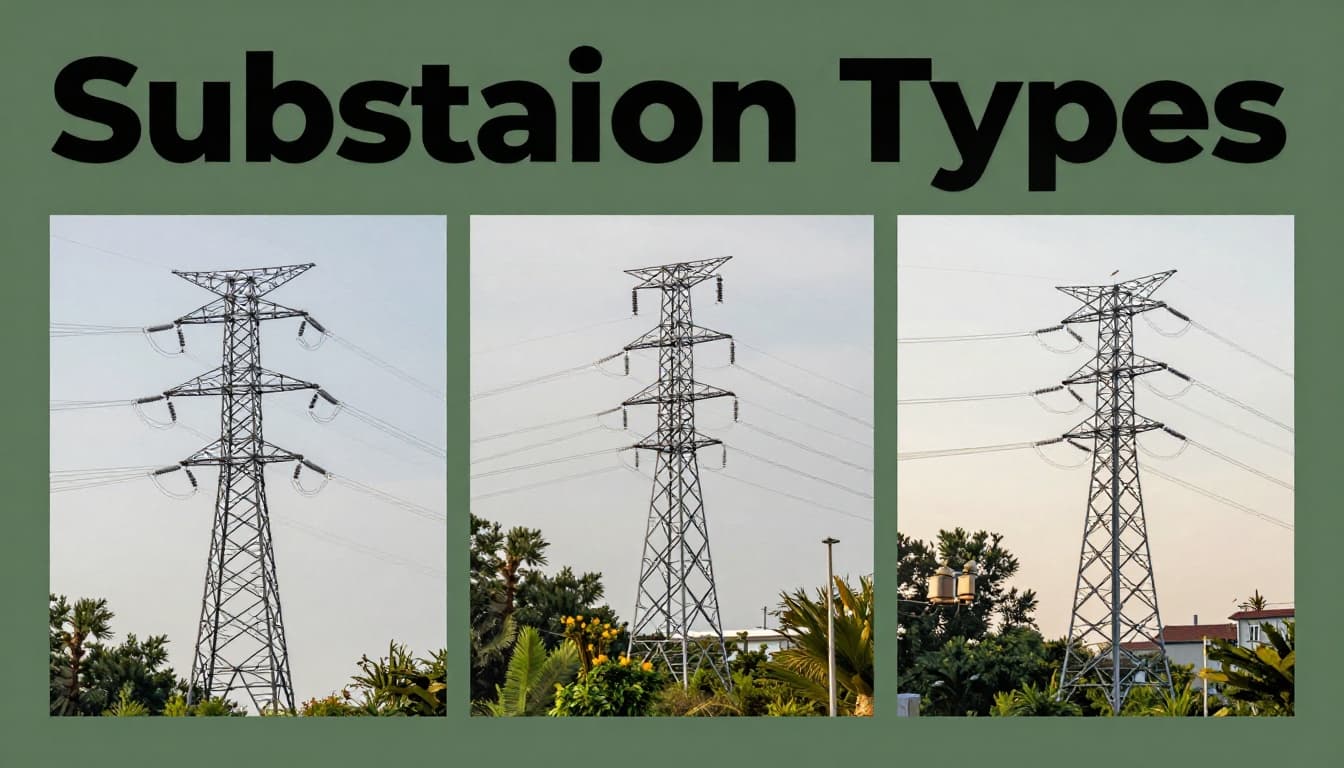
A smart layout choice can reduce costs and speed up delivery. More importantly, it can fit the substation safely into its surroundings.
Boosting Reliability While Facing Real-World Hurdles
Substations keep power flowing. But they also face real strain. In 2026, utilities deal with growing demand, aging gear, and bottlenecks that make upgrades slow.
Reliability is not only about having equipment. It’s also about how fast the grid can detect issues, isolate them, and recover. Substations sit at the center of that response.
What stresses substations the most
First, demand keeps rising. Data centers can pull huge loads. Some reports in 2026 note that a single data center can require around 100 MW, enough to support a small city.
Second, the grid has limits in where and when new power can connect. One major issue is interconnection queues. Utilities may have over 1,350 GW waiting to connect, but transmission and substation capacity often cannot support it yet. That creates a pressure cooker for existing equipment.
Third, aging assets add risk. Transformers and other heavy components have long service lives. Yet weather, heat, and loading changes can shorten effective life. When equipment gets older, failures become harder to predict.
Why outages happen during peaks and faults
Faults also remain a constant threat. Weather can damage equipment or trigger protective actions. When a fault occurs, substations must isolate it quickly. That protects the rest of the network and keeps more customers online.
However, problems can still spread if settings, sensing, or coordination do not keep up with changing flows. Some commentary on grid risk points out that substations are among the most sensitive links during stress and security concerns. See substations as a weak link in America’s power grid.
Finally, upgrade timelines can make the gap worse. Large transformers can take about two years after ordering. Transmission projects can take 7 to 10 years. So the grid may need more capacity now, but it can only add it slowly.
Here’s a plain way to see it: a substation is like a heavy-duty transformer “hub.” If demand grows faster than new hubs get built, the hub runs hotter and closer to limits.
Reliability improves when utilities can spot problems early and swap capacity before failures happen.
Smart Upgrades: The Exciting Future of Substations in 2026
By 2026, many utilities are shifting from “monitor and react” to “predict and prevent.” That’s where smart substation upgrades matter for the future of substations.
Smart changes often include:
- More sensors for voltage, current, and equipment health
- Faster relay and protection logic
- Better automation and remote control
- More analytics for predictive maintenance
Utilities want fewer outages and less downtime. They also want to integrate more renewables and storage, which can change power flow patterns.
Digital monitoring and automation that help operators
Modern intelligent substations use digital tools to support faster decisions. With better measurements, operators can detect unusual patterns sooner. That can help plan repairs before a failure forces a shutdown.
For industry perspective on how intelligent substations support reliability, see how intelligent substations redefine power reliability.
In addition, smart upgrades can support renewable integration. Solar and wind output varies during the day. Storage adds more flexibility, but it also increases control needs. Substations help manage those changes through switching and protection coordination.
Smarter recovery during the next outage
When faults do occur, automation can speed up isolation and restoration. That means fewer customers lose power for longer periods. It also means crews can focus on the right equipment sooner, rather than searching blindly.
In some areas, battery storage at or near substations can also help. Batteries can absorb excess energy when output spikes and discharge during peaks. That helps reduce stress on transmission paths.
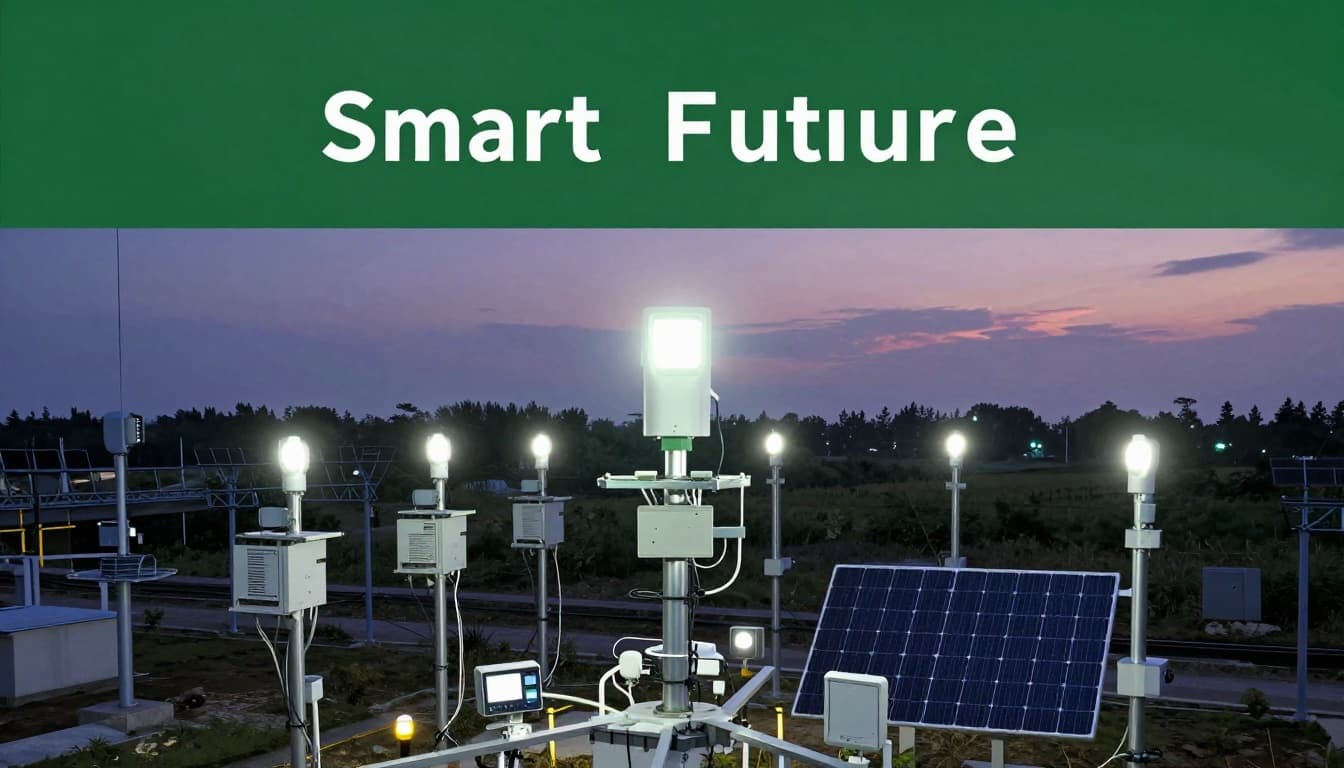
Smart upgrades can’t fix every bottleneck overnight. Still, they help the grid respond better and recover quicker.
Conclusion
When you flip a switch, your home gets power only because substations in power delivery do their work. They step voltage up for long travel, route power through the transmission network, and step voltage down for safe local use.
They also protect the grid. Transformers move voltage, breakers stop faults, and relays help isolate problems fast. That combination supports efficiency and reliability, especially as demand rises and renewables add new flow patterns.
And that’s why substations matter more each year. In 2026, smarter monitoring and automation are helping utilities reduce downtime and handle changing loads better.
If today’s article made you look at your lights a little differently, share it with someone who wonders how the grid stays stable. What part of the power journey surprises you most, the voltage changes or the fault protection?