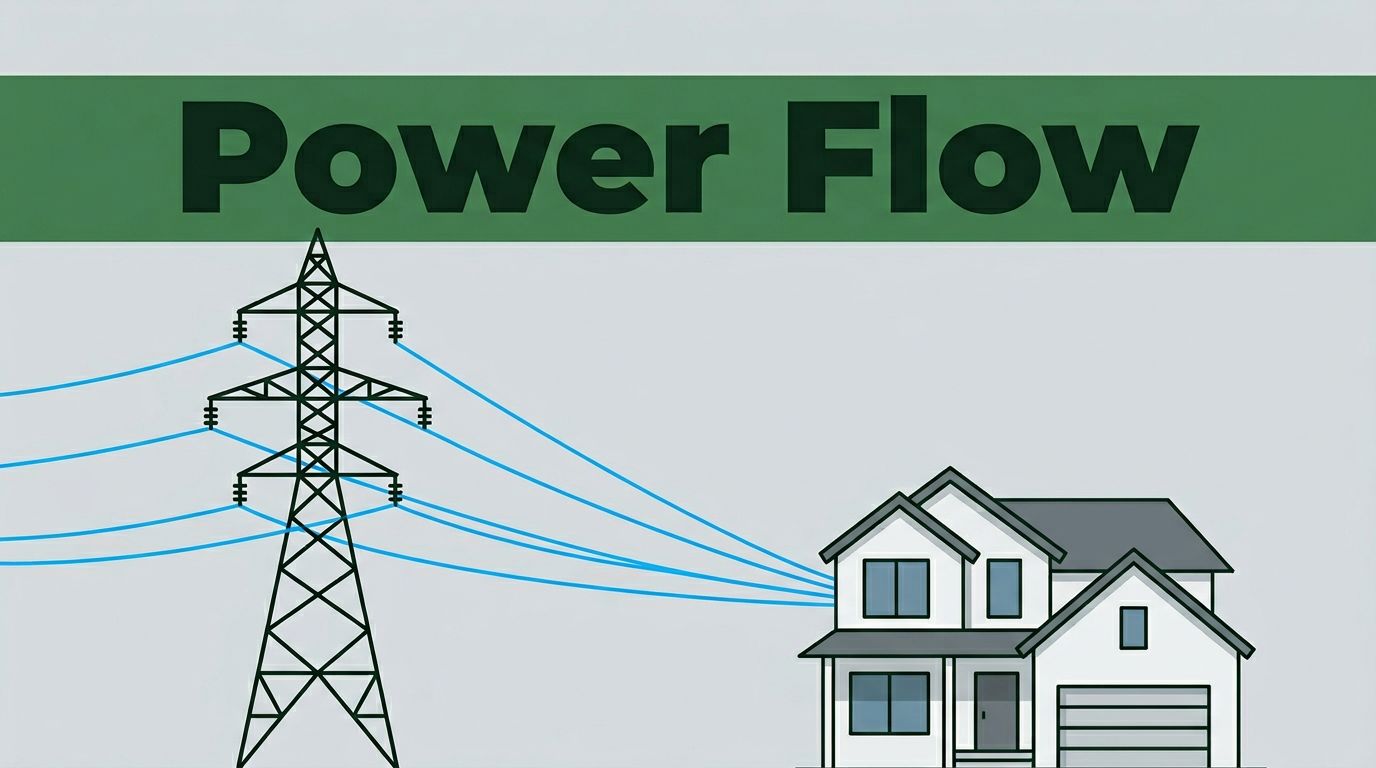
When you flip a light switch, you expect power to appear instantly. Yet electricity has a long trip behind the scenes. It travels through generation equipment, high-voltage transmission, substations, distribution lines, and finally your home wiring.
Most of the time, the system works quietly and safely. In the US, natural gas is about 40% of electricity generation, transmission and distribution losses average around 5%, and the grid targets about 99.9% reliability.
So how does electricity move from one place to another without turning into a wasteful, smoky mess? Keep reading, because it starts with power plants and ends at your outlets.
Step 1: Where It All Starts – Power Plants Generating Electricity
Electricity begins at a power plant, where engineers convert energy from fuel (or moving water and air) into electrical power. Think of a plant like a giant factory. It takes in something energetic, then outputs electricity you can use.
In the US, the major sources include:
- Natural gas (about 40% of generation)
- Coal (about 20%, depending on the year)
- Nuclear (about 19%)
- Renewables like wind, solar, and hydro (about 21% combined)
Different plants use different “ingredients,” but the core goal stays the same: spin or push a way to create electricity.
You can also get a clear map of the consumer-side journey in the US Energy Information Administration’s explanation of how electricity is delivered to consumers.
Turbine and Generator Magic
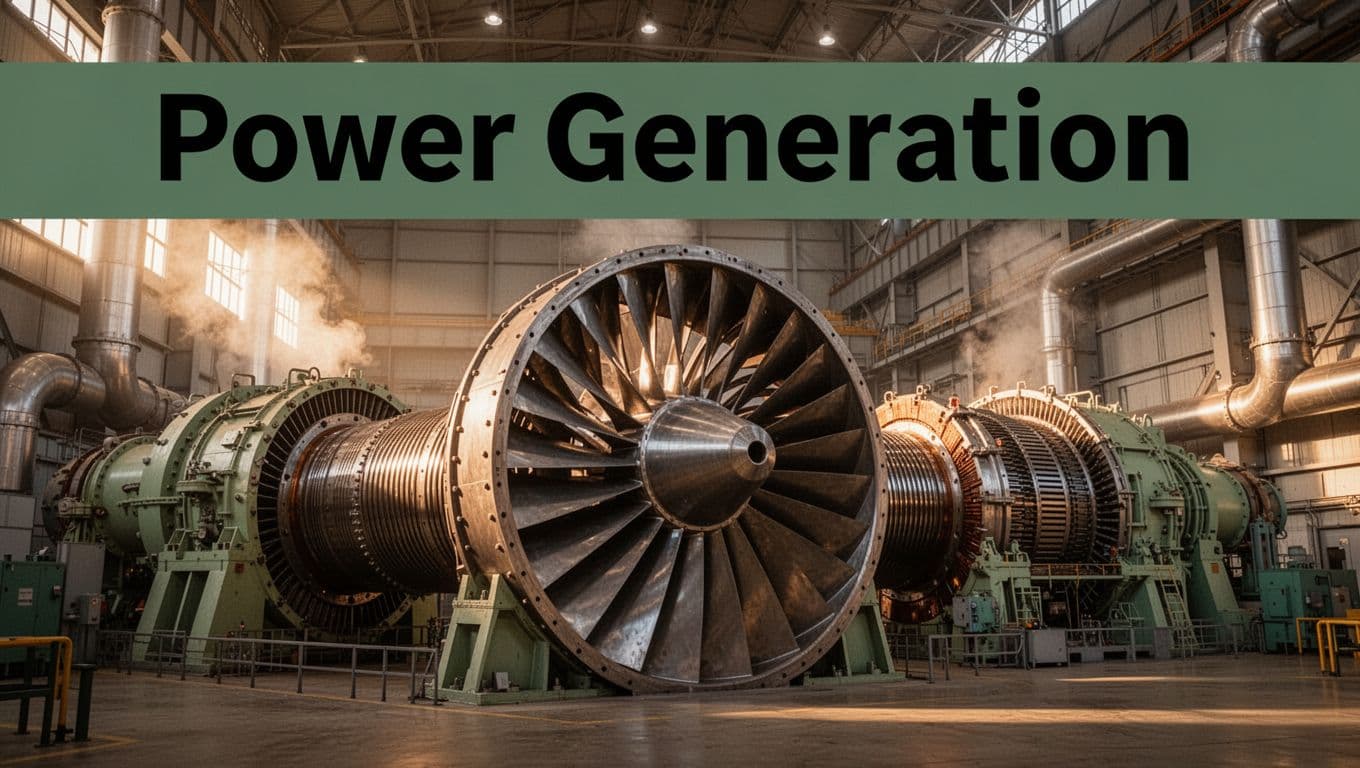
Most power plants use a turbine and a generator. Here’s the simple version.
Fuel or another energy source turns into heat or motion. Then that energy spins a turbine. The turbine connects to a generator, and the generator produces electricity.
- In many gas and coal plants, burning fuel heats water.
- The heat turns water into steam.
- Steam spins the turbine blades.
- The spinning creates electricity inside the generator.
To picture it, imagine a balloon rubbed on hair. You build up static electricity. A generator builds electricity in a more controlled way, using electromagnetic effects instead of fur and balloons.
Why Low Voltage at First?
Generators usually make electricity at low-to-medium voltage, often in the ballpark of 11 kV to 25 kV. That’s fine for a plant site, but it’s not ideal for sending power across long distances.
Long trips punish you with losses. When current flows through wires, some energy becomes heat. A simple way to remember it is the Loss = I²R idea. Bigger current means much higher losses.
So next comes the main trick for the road: raise the voltage right near the plant. Higher voltage lets you send the same power with less current, which cuts wasted heat.
It’s like squeezing the same amount of water through a thinner hose. You can move it more effectively when the “push” is adjusted the right way.
Step 2: Supercharging for the Road – High-Voltage Transmission Lines
After voltage gets stepped up, electricity enters the transmission system. These are the long-distance lines that cross states and connect many power plants.
In many cases, transmission runs at 115 kV to 500 kV (and in some places even higher). The goal is simple: send power far while keeping losses low and steady.
To make this feel real, picture power as cars on a highway. High voltage is the highway system designed for long travel. Without it, the trip would slow down, and the route would waste energy as heat.
Safety matters here too. Transmission lines use insulators and proper spacing to prevent unwanted contact with poles and the air around them. And because outages happen, grid designers build redundancy and routes so power can reroute when needed.
Meanwhile, the grid’s operators continuously balance supply and demand. If demand spikes, they shift generation so the system stays stable.
For a fuller visual explanation of how the grid is built and managed, see how the power grid works.
How Step-Up Transformers Work
Step-up transformers sit near plants and substations. They take the generator’s medium voltage and raise it to transmission voltage.
You don’t need heavy math to get the idea. A transformer uses coils and an iron core to transfer energy between circuits. It changes voltage so current drops when voltage rises.
Here’s the big reason it matters: high voltage means low current, and low current means less heat loss in the wires. That’s the core efficiency win behind why electricity “feels” more reliable across distance.
Grid Operators: The Invisible Traffic Cops
Transmission is also where planning meets real-time control. Operators monitor the grid like a live control room, then direct power where it’s most needed.
They do things such as:
- balancing generation with hourly and minute-by-minute demand
- managing switching in substations
- responding when lines or equipment fail
The US grid is built for reliability. Industry reliability targets are high because even small instabilities can snowball. One reason reliability stays strong is that the grid uses sensors, communications, and automated protections.
If you want a deeper overview of how the US power grid operates as one connected system, Everything You Need to Know About How the U.S. Power Grid Works is a solid read.
Step 3: Power Pit Stops – Substations Dialing It Down
High-voltage transmission lines don’t feed your neighborhood directly. Instead, they move power to substations. Think of substations like pit stops on a road trip. They don’t “create” electricity, but they prepare it for the next stage.
At a substation, transformers reduce voltage in steps. Exact settings vary by grid design, but a common path looks like this:
| Grid Stage | Typical Voltage Range (Approx.) | What It’s For |
|---|---|---|
| Transmission | 115 kV to 500 kV | Long-distance travel |
| Substations (step-down) | 115 kV to 46 kV, then lower | Regional delivery |
| Distribution | 13 kV to 25 kV | Neighborhood delivery |
| Home service | 120/240V | Outlets and appliances |
Substations also handle switching. When a fault happens, protective devices isolate the problem so power keeps flowing somewhere else.
In other words, substations act like traffic regulators. They control flow and reduce voltage in a way that matches where electricity is going next.
Step-Down Transformers in Action
Step-down transformers reverse the step-up idea. They drop high voltage to a safer medium range for distribution.
Staging the voltage drop helps avoid overload. It also helps match what different parts of the grid can handle. This staged approach keeps the system efficient and reduces stress on equipment.
Step 4: Neighborhood Delivery – Distribution Lines and Local Transformers
Once electricity leaves transmission, it enters distribution. Distribution lines carry medium voltage to areas like cities, suburbs, and rural towns.
In many places, distribution runs around 13 kV to 25 kV. You might see these lines on poles or along streets. From there, local transformers reduce voltage again for homes.
At the edge of your block, you may see a pad-mounted transformer or a utility transformer mounted on a pole. It steps voltage down to what your home uses, commonly 120 volts and 240 volts (depending on the service).
Here’s the neighborhood analogy: transmission is the highway, substations are the ramps, and distribution lines are the city streets. Your local transformer is the driveway turnoff that finally brings the power to your house.
Utilities also match supply to demand across the day. When more people come home and turn on air conditioning, demand rises. If the grid can’t keep up, voltage and frequency controls help stabilize things.
For context on why demand and grid planning matter, the International Energy Agency’s Electricity 2026 executive summary shows how electricity demand is expected to grow as more loads appear.
Those Green Boxes You See Everywhere
That familiar green box, sometimes called a pad transformer, usually handles the final local voltage drop. It serves a small area, like a cluster of homes or a few buildings.
Because it sits close to customers, it keeps the wiring manageable and safer. Also, distributing the job across many small transformers helps avoid one big point of failure.
If something goes wrong, protective systems at higher levels can isolate sections. So a problem in one area doesn’t necessarily take out the whole region.
Step 5: Welcome Home – Meters, Breakers, and Your Outlets
After the local transformer, electricity enters your home service. First, it goes to your meter, which tracks how much energy you use. Utilities use that data for billing and load monitoring.
From the meter, power reaches your breaker box. This is where safety becomes personal. Breakers (and related protection like fuses in older homes) shut off power when something goes wrong, like:
- an overload
- a short circuit
- a ground fault
Most homes use protective devices that trip fast enough to reduce shock and fire risk. That’s why circuits feel “instant” when they trip, then stay off until you reset or fix the issue.
Finally, power moves through wall wiring to your outlets and light switches. Your home’s wiring is set up for the service voltage, using branch circuits to power devices where needed.
Also, grounding plays a key role. When faults happen, grounding gives current a safe path. The goal is to keep metal parts at safe potential.
Breaker Box: Your Home’s Safety Guard
Your breaker box acts like a smart guardrail. When a circuit pulls too much current, a breaker trips. That interrupts the flow before heat damages wiring.
People often ask how breakers compare to fuses. In many modern homes, breakers are reusable. You flip them back on after the cause is fixed. Fuses, by contrast, need replacement when they blow.
Either way, the point stays the same. Protection devices stand between your appliances and electrical danger.
Conclusion
Electricity from power plants to homes is a guided trip, not a single wire race. The journey goes from generation, to high-voltage transmission, through substations, then into distribution, and finally into your home’s meter and breaker box.
The system works well because high voltage reduces losses, and because protection and control keep everything stable. As a result, only about 5% is lost through transmission and distribution, and the grid targets around 99.9% reliability in normal operation.
Next time you flip a switch, think of this epic trip. What part of the journey do you want to picture next, the long-distance towers or the green boxes in your neighborhood?