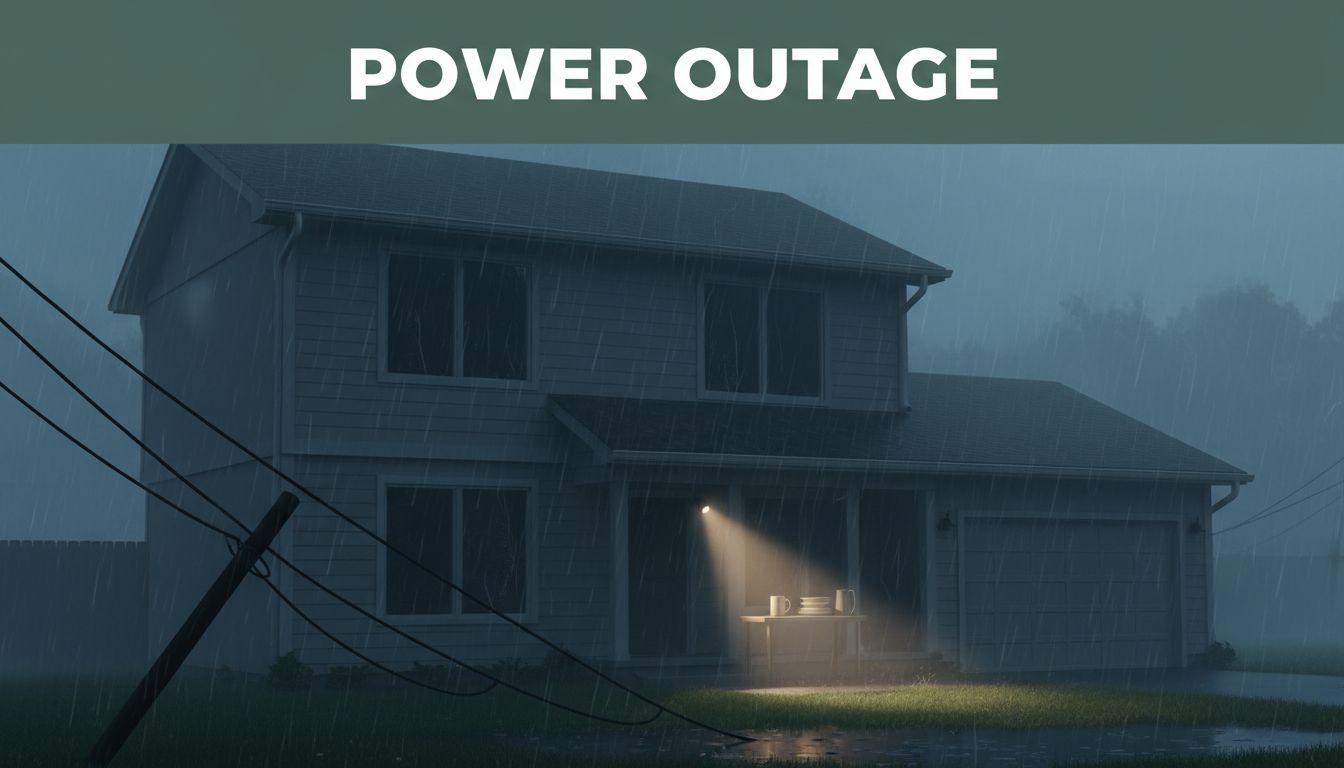
Coming home to a dark house after a storm feels unsettling. One minute the lights work, and the next minute, they don’t.
A power outage is when electricity stops flowing from the grid to your home. That loss hits everything connected to that flow, from lights to the fridge. It can also affect water pumps, phones, and safety systems.
This guide walks you through what happens during an outage, why some parts of your home go first, and what risks to watch for. It also covers what utilities do to restore power and how you can prepare so the next outage feels more manageable. Weather drives many outages, and during major events it accounts for about 80% of the power outage hours people lose, according to U.S. data.
How a Power Outage Starts: The Chain Reaction from Power Plant to Your Front Door
Electricity doesn’t just “turn off” at your house. It travels through a whole system, and a problem anywhere along the path can trigger outages.
First, power plants generate electricity. Then, high-voltage transmission lines move it over long distances. Next, substations step the voltage down so local lines can deliver it safely. Finally, your neighborhood lines and meters send power into your home.
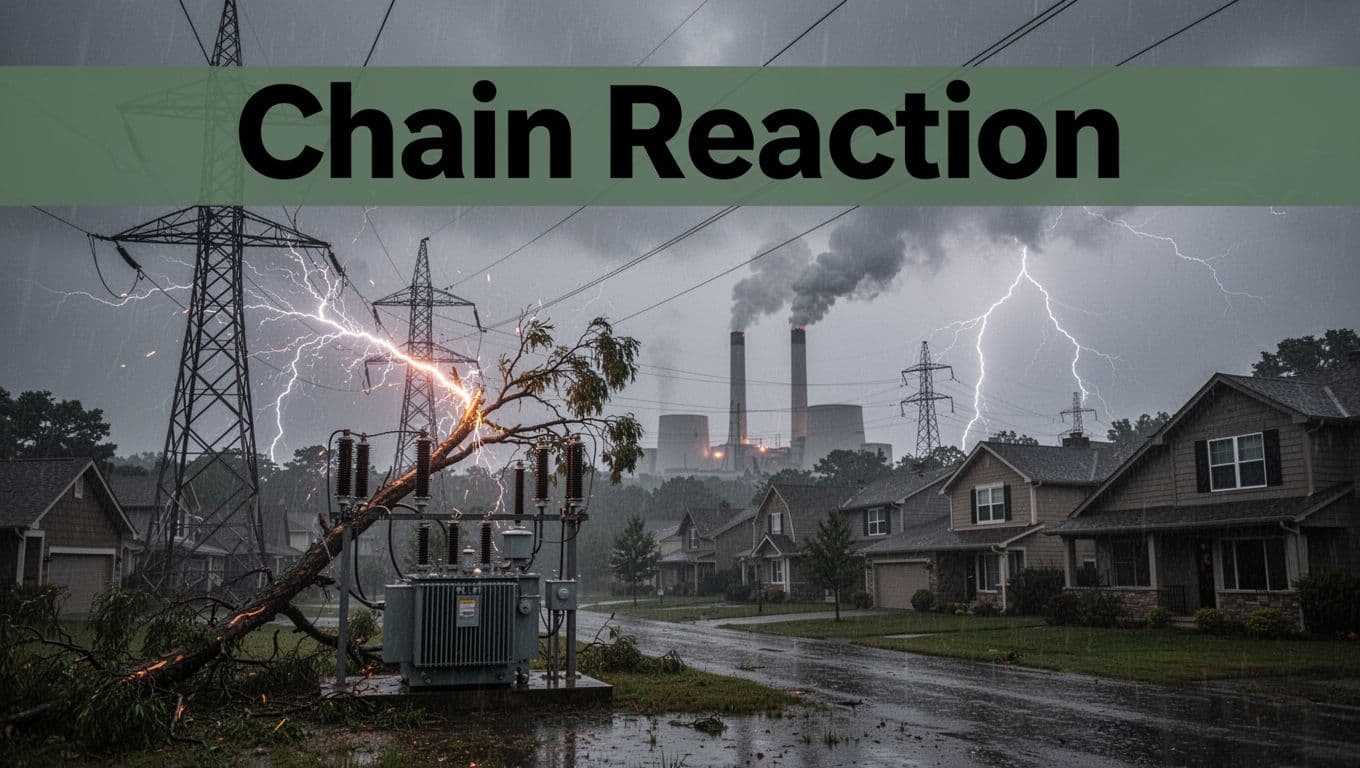
When something goes wrong, the system reacts fast. A downed line, a damaged transformer, or a fault in equipment can cause circuit breakers to trip. Think of it like a row of dominos. One damaged piece forces the system to protect itself by stopping power flow.
The result depends on what failed and how the grid reroutes power. Some outages look like a quick hiccup, while others wipe out power completely.
Outage types you may notice in real life
Here’s how outages usually show up at home:
| What you notice | How long it lasts | What’s happening |
|---|---|---|
| Flicker | Seconds | Power drops briefly, then returns. |
| Brownout | Minutes | Voltage stays low, lights dim, some devices slow down. |
| Blackout | Minutes to hours | Power fully stops at your service. |
| Rolling blackout | Planned, in shifts | Utilities cut power in areas to keep the grid stable. |
Flickers and brownouts can feel mild, but they still stress appliances. They can also hint that the grid is struggling under load or recovering from a disturbance.
Common causes that start the chain reaction
Most outages come from forces outside human control. Weather tops the list. However, not every interruption is storm-driven.
Equipment failures matter too. Aging lines, overloaded gear, and damaged switches can trigger breakers. Animals can also cause faults by contacting lines or equipment. For a clear example of how non-weather issues happen, see How Animals Impact Our Electrical Infrastructure from Unitil.
Finally, human actions can play a role, such as a vehicle striking a pole. Even then, the grid still responds with safety systems and protective shutdowns.
A key reason outages feel more frequent lately is the strain from extreme weather. In 2024, hurricanes led to the most hours without power in 10 years, according to the U.S. Energy Information Administration (EIA). That pattern matters because longer outage hours often mean more damage, bigger repairs, and tougher restoration.
The Most Common Triggers Behind Sudden Blackouts
Sudden blackouts often start with a clear trigger, then spread quickly through protection systems. Here are the most common ones you can actually picture.
Weather-related triggers that hit fast
Strong wind can knock branches into power lines. Ice can coat lines, add weight, and bring them down. Lightning can damage equipment at substations or along transmission routes. Flooding can move debris into critical gear and stop access for crews. Heat waves can also strain the grid when demand jumps.
These events often force the grid to choose between rerouting power and protecting equipment. If protection trips, your home goes dark along with many others.
Non-weather issues that still cause outages
Even in calm weather, the system can fail. Transformers blow, switches misread conditions, or a key component has a mechanical issue. Animals can short circuits when they enter a space near equipment.
And sometimes the cause is simple physical impact. A car hits a pole. A crew damages a line during work. An outage follows.
Public power utilities track causes, and their data highlights that trees, equipment problems, and wildlife can all drive outages, not just storms. For more on the mix of outage causes, check What Causes Electrical Outages? from the American Public Power Association.
Why rolling blackouts can happen even when you pay the bill
Rolling blackouts sound scary, but they’re usually a planned response. Utilities may cut power in certain areas for short periods. They do it to keep the grid stable when demand runs high or supply dips.
You might not see a “real cause” in your neighborhood. That’s normal. The grid can make system-wide choices to avoid a bigger failure.
First Things That Go Dark: Appliances, Water, and Food in Your Home
When power stops, your home becomes a list of devices that each have their own rules. Some fail instantly. Others keep going for a while on stored energy.
Most homes lose lights and outlets first. You may also lose fans and HVAC controls. If your air conditioner runs on electricity, the cold air ends quickly. In summer, that can turn uncomfortable fast.
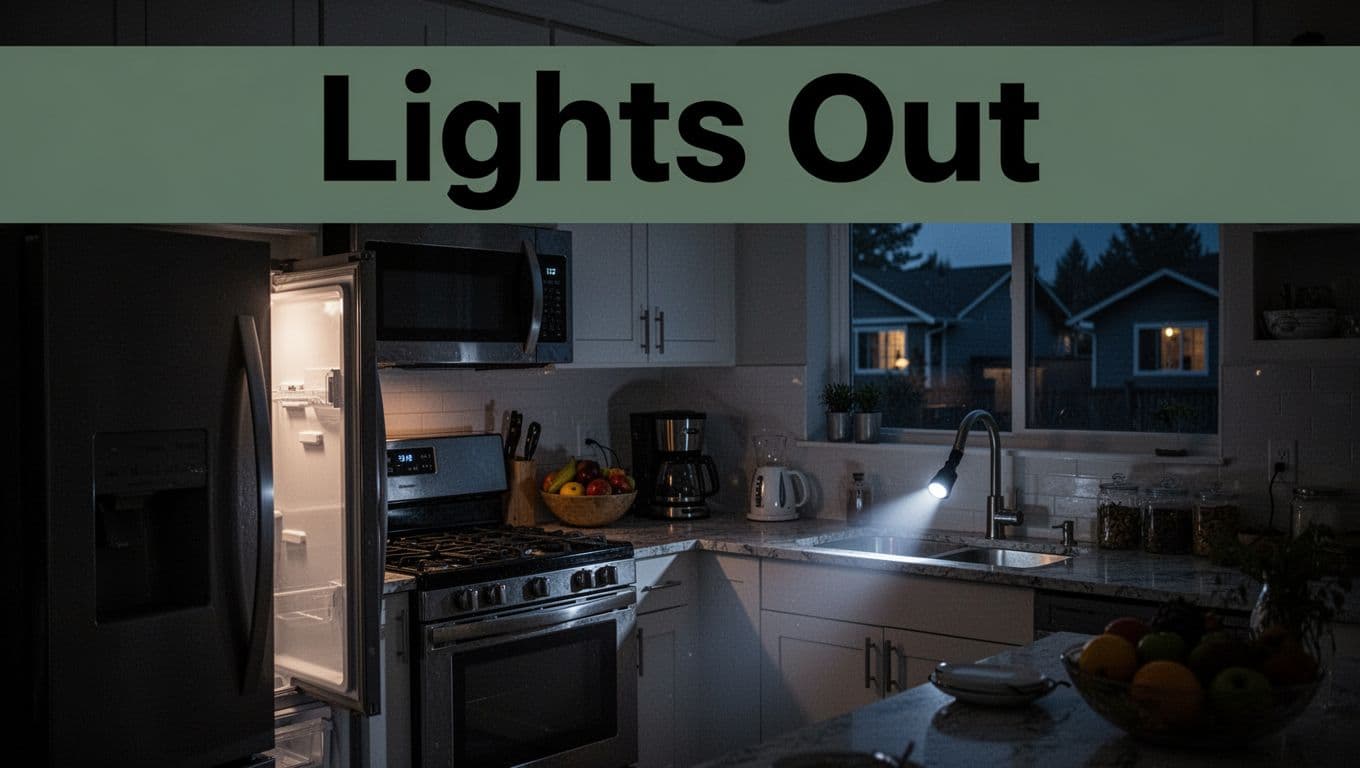
Your fridge and freezer usually go out next. However, they don’t warm up instantly. Cold air stays trapped inside. That’s why knowing the safe time window helps.
Also remember this: a generator or battery backup does not automatically protect every device. If power comes back while devices are off, that’s safer than letting them surge repeatedly.
If you have sensitive electronics, take a simple approach. Unplug TVs, computers, and game consoles before you need to. When power returns, surges can happen during the transition.
Water systems can be more fragile than you think
Some homes rely on electric pumps to move water. When the pump stops, your tap can drop to a trickle. Other homes use gravity-fed tanks, and you may get water for a bit longer.
If you notice your water pressure falling, don’t wait to prepare. Store drinking water when you can. Even a short decline can disrupt normal use.
What happens to food when the fridge stops
Food safety is one of the biggest worries during a blackout. Heat speeds up spoilage, and you can’t “smell” every unsafe situation.
As a rule, keep doors closed. Every time you open a fridge, you leak cold air and let warm air in. That speeds up temperature rise.
Here are common U.S. guidance windows:
- Refrigerators keep food safe for about 4 hours if the door stays shut.
- Freezers keep food safe for about 48 hours if they stay closed and full.
If the outage lasts longer, focus on what you can salvage and what needs to go.
Why Your Tap Might Run Dry Sooner Than You Think
Power outages don’t just shut off your lights. They can also shut off your water, and the timing can surprise people.
If your home has an electric well pump or relies on pressure from the local water system, you may lose water pressure quickly. That’s because pumps need electricity to push water through pipes.
Even if your area’s water supply still exists, pressure can drop during outages. Then water won’t move from the street into your home. Once that happens, tubs, toilets, and showers may stop working normally.
Meanwhile, some homes hold water in tanks. That setup can keep water flowing for longer. Still, tanks eventually empty or pressure drops again.
So what should you do?
First, treat water like a limited resource. If the outage starts during the day, you often have a short window to fill containers. Then, use water for essential needs: drinking, handwashing, and basic hygiene.
Second, stay alert for official instructions. Sometimes a water authority issues boil orders during prolonged disruptions or contamination concerns. Even a short outage can matter if it changes pressure or affects treatment.
If you’re trying to follow a simple plan during outages, use guidance like Power Outages | Ready.gov. It keeps the basics clear and easy to act on.
Keeping Food Safe Before It Spoils
A fridge feels like it should “stay cold,” but it only stays cold as long as the temperature holds. Once the internal temperature rises, spoilage risk goes up.
Your biggest job is simple: keep the door shut and avoid guessing.
Before you open the fridge, ask yourself what you truly need. If you do have to check something, plan it. Grab what you need in one quick trip, then close it again.
When the outage ends, check the timeline first. If the power stayed off for a few hours, your next steps change.
If you keep food safe in the early stage, you avoid bigger losses later. Here’s a safe, practical approach for common foods:
- Use the fridge-first method. Move items out of the fridge and into a cooler if needed.
- Eat or cook perishables sooner.
- If you have a thermometer, use it. Temperature readings beat memory.
If food warmed above safe levels for too long, don’t “save” it by reheating. Spoiled food can still contain harmful bacteria or toxins. When in doubt, throw it out.
During a long summer outage, the fridge may become warm enough faster than you expect. Meanwhile, a full freezer can stay colder longer. That’s why a freezer full of ice can act like a time buffer.
If you’re preparing ahead, you can freeze water containers. Then you can use them as backup ice in coolers.
Hidden Dangers and Disruptions You Need to Watch For
A blackout changes the safety rules inside your home and outside it. Darkness makes hazards easier to miss.
Start with the obvious: people trip when they can’t see. Flashlights help. So does keeping pathways clear.
Next, avoid open flames when you can. Candles feel comforting, but they can cause fires. Instead, use battery lights.
Traffic signals also go out, so intersections become riskier. Roads can look normal, but cars may not slow down the way you expect.
Some dangers are less visible. Generator carbon monoxide is a major one. Carbon monoxide is invisible, and it can kill fast. That risk grows when people run generators indoors or too close to doors and windows.
If you rely on a generator for heating or cooking, follow safety guidance closely. The U.S. Consumer Product Safety Commission warns about deadly carbon monoxide risks and fires during power outages. See CPSC Warns of Deadly Carbon Monoxide Risks and Fires for the key warnings.
Also keep in mind health disruptions. If you use a medical device that needs electricity, the outage can be more than a nuisance. Plan for backup power or safe storage.
Lastly, pay attention to indoor air quality. When heat or ventilation stops, air can get stale. If you use fuel-burning devices, you create extra risk.
Big reminder: Never run a generator in a garage, basement, or near an open window.

Staying Connected When Internet and Phones Fail
During an outage, your phone might still work, but not for long. Landlines and cell service vary by area. Cellular networks often stay up, but they can slow down. That’s why battery planning matters.
Your home internet can die quickly. Routers need power, and many modems go dark fast. Cordless home phones also stop because their base needs power.
Here’s what usually happens:
- Your Wi-Fi router powers down first.
- Your cordless phone follows.
- Cell towers may keep running, until backups fill up or demand spikes.
So charge ahead when you see warning signs. If you don’t have a charger-ready plan, power banks can help.
Also, consider how you’ll communicate if texting takes over. Short messages often go through when calls fail.
If you don’t have full preparation, you can still do one helpful thing. Keep one phone charged longer than the others. Turn on power saving mode when needed.
Top Safety Threats in a powerless House
Safety during a blackout is mostly common sense, but it helps to name the threats.
First, watch your footing. Walk slowly, use a flashlight, and keep kids and pets nearby. If you need to move at night, consider marking paths and doors.
Second, fire risk rises. People use candles, cook on unsafe surfaces, or overload outlets after power returns. Use safer lighting and avoid cooking indoors with portable heat sources.
Third, generators and fuel-burning equipment can create hidden danger. Carbon monoxide is the biggest threat, especially in winter storms when people close up rooms.
Fourth, after storms, the outdoors can be unsafe. Downed lines can look dead but still carry power. If you see sparks or a line on the ground, treat it as live.
Finally, keep vulnerable neighbors in mind. Some people need medication storage, oxygen, or medical devices. If you can safely check on them, do so.
When you’re unsure, use your local utility or emergency guidance. It often updates with the latest safety and service info.
Lights On Again: How Power Companies Respond and Restore Service
Utilities don’t restore power by flipping one switch. They follow a set of steps, and crews work in a careful order.
First, they confirm the outage scope. Then they track where power is lost and which equipment failed. Next, they dispatch crews to repair what’s damaged.
Repair work can start with high-level infrastructure first. Fixing power plants and transmission lines brings electricity into the region. After that, utilities restart substations so power can flow into local lines.
Then they move to emergency services. Hospitals, police, fire, and 911 need priority. Water plants matter too.
Finally, they reconnect neighborhoods and individual homes. Some customers may need an electrician inspection if equipment suffered flooding damage.
What does restoration take?
Timelines vary. A short outage might last minutes. Bad weather can stretch outages into days. Big events with widespread damage can last weeks.
One reason restoration feels slow is that utilities must balance speed with safety. They test lines, confirm loads, and bring power back gradually. That helps prevent another failure when the grid restarts.
If you want a clear view of how utilities plan restoration work, check a process page from your area if you can. For example, Power Restoration Process at Eversource explains the staged approach they use during storms.
And remember, if your home is last, it doesn’t mean crews forgot you. It usually means upstream fixes must finish first.
Step-by-Step: From Outage Alert to Full Power Back
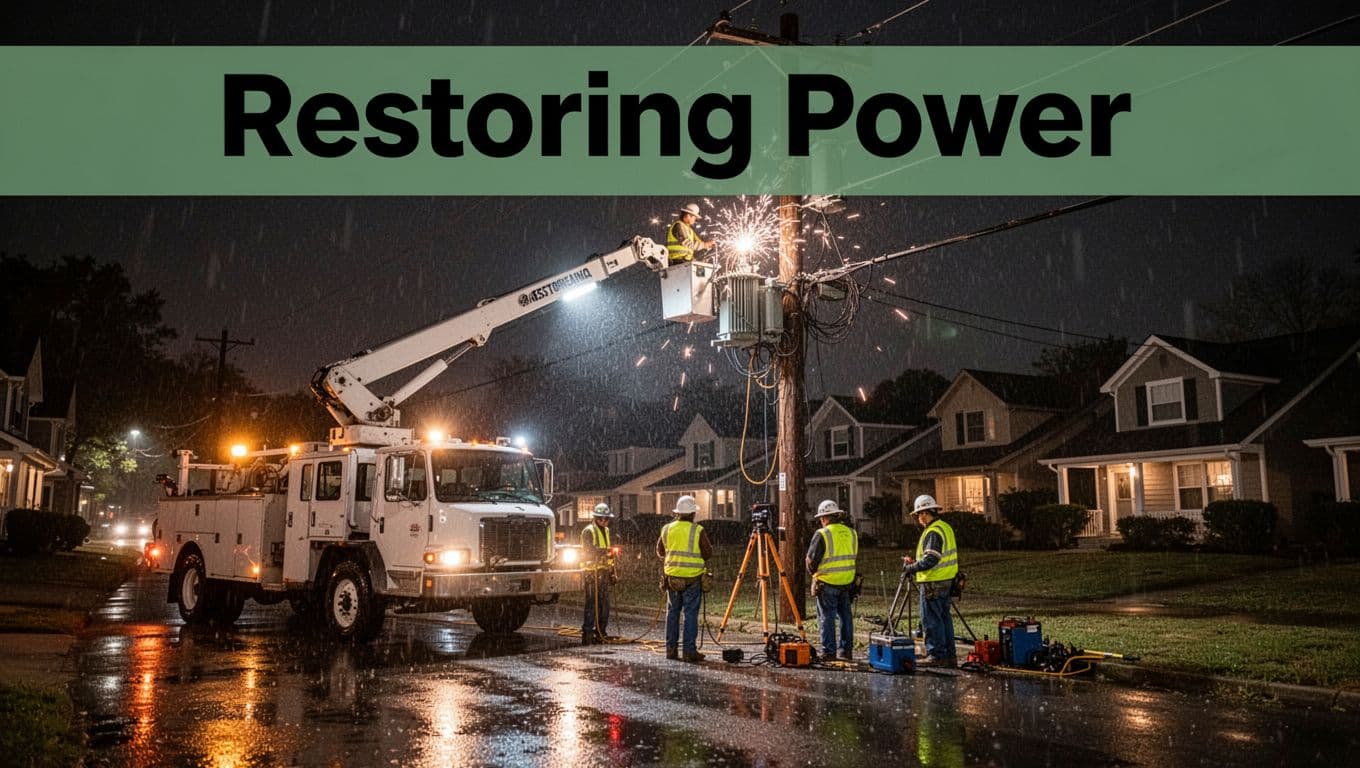
During a larger outage, restoration can feel random from the customer side. On the crew side, it follows a sequence.
Here’s the typical flow:
- Safety and damage assessment: crews confirm lines and hazards.
- Power generation gets online: plants and major feeds restart.
- Transmission and major lines are repaired: power reaches more areas.
- Substations restart: electricity flows to local distribution.
- Emergency and critical loads restore: hospitals and public safety first.
- Neighborhood circuits return: crews reconnect groups of customers.
- Final service connections: homes and businesses restore last.
That staged approach prevents overloads. It also keeps the system stable while repairs progress.
If the outage is from weather, access can be slow. Crews may wait for safe wind speeds, cleared roads, and workable conditions.
Realistic Timelines: Minutes or Days?
Most outages are shorter than people fear. Still, in major storms, the clock can stretch.
For example, U.S. data shows outage hours and durations have risen during recent extreme weather periods. In 2024, people faced the highest outage loss in a decade, and hurricanes drove large portions of outage hours.
Meanwhile, by mid-2025, the average length of the longest outage had risen compared with earlier years. That matters because longer outages often mean more equipment wear, more damage, and more restoration work.
So what should you expect?
- Smaller faults: minutes to hours.
- Storm damage: hours to days.
- Wide-area events: days to weeks.
After the outage ends for your neighborhood, your job isn’t done. Still check for damage. Also watch for odd smells or flickering after power returns.
If your utility offers outage maps or app alerts, use them. Updates can help you understand what’s happening and when work reaches your area.
Conclusion: Power outages feel sudden, but they follow a predictable path
When a blackout hits, it usually starts with a fault somewhere in the power system. The grid’s protection steps kick in, then your home goes dark as part of that chain reaction.
Outages affect the basics fast, lights and HVAC first, then water pressure, and finally food safety. Meanwhile, the biggest risks come from darkness, unsafe candles, and generator carbon monoxide.
Utilities restore power in steps, starting with the biggest infrastructure and emergency services. That’s why your home might be last, even when crews are working hard.
Build your plan now, so the next outage is less stressful. Store safe water, keep flashlights ready, and unplug sensitive electronics if you have time. During the outage, stay cautious and eat smart. When power returns, stagger what you turn on, and keep an eye out for damage. Most importantly, treat the next outage like a future you can handle, not a surprise you have to fear.