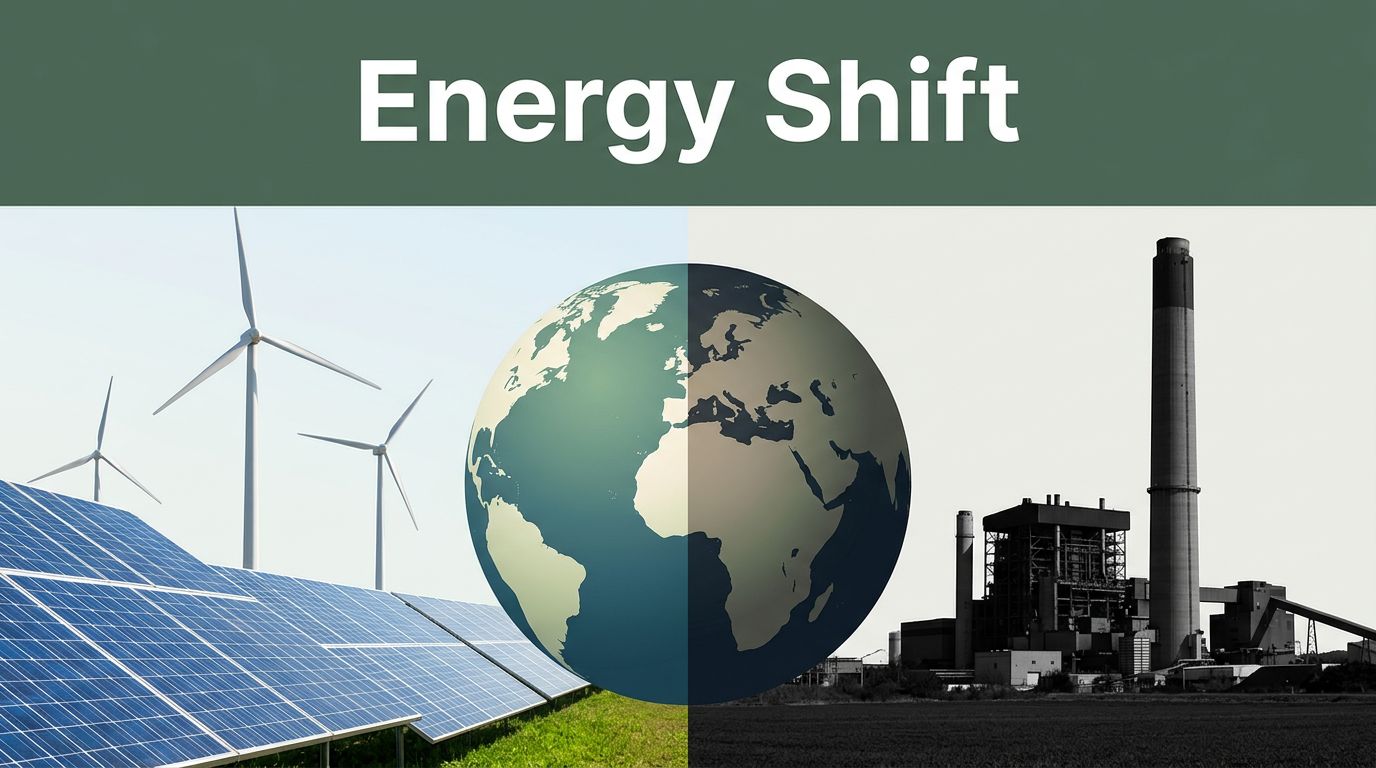
Ever wonder what powers your day when you charge your phone or drive to work? Right now, renewables and non-renewable energy both play a role, but they work in totally different ways. As of 2026, renewables supply about 36% of global electricity, and they’ve edged ahead of coal for the first time, with coal down to around 32%.
Renewable energy comes from sources that keep replenishing naturally, like sun and wind (and also hydro and geothermal). Non-renewable energy comes from fuels like coal, oil, and natural gas, which take millions of years to form and will run out. That difference matters for cost, pollution, and whether power stays steady when demand spikes.
In the sections ahead, you’ll see how each energy system works, where it’s used, and what the trade-offs look like in real life. By the end, you’ll understand why renewables are surging ahead (and what still needs fixing) in the big shift from fossil fuels to cleaner power.
Spot the Core Sources: Renewables vs Non-Renewables
When you spot the “core” energy sources, the whole debate gets easier. Renewables capture natural flows that keep showing up. Non-renewables rely on fuels that take millions of years to make, so they face limits.
Here’s the quick way to recognize them in everyday life, then connect that to how they behave on the grid.
## Everyday Examples of Renewable Powerhouses
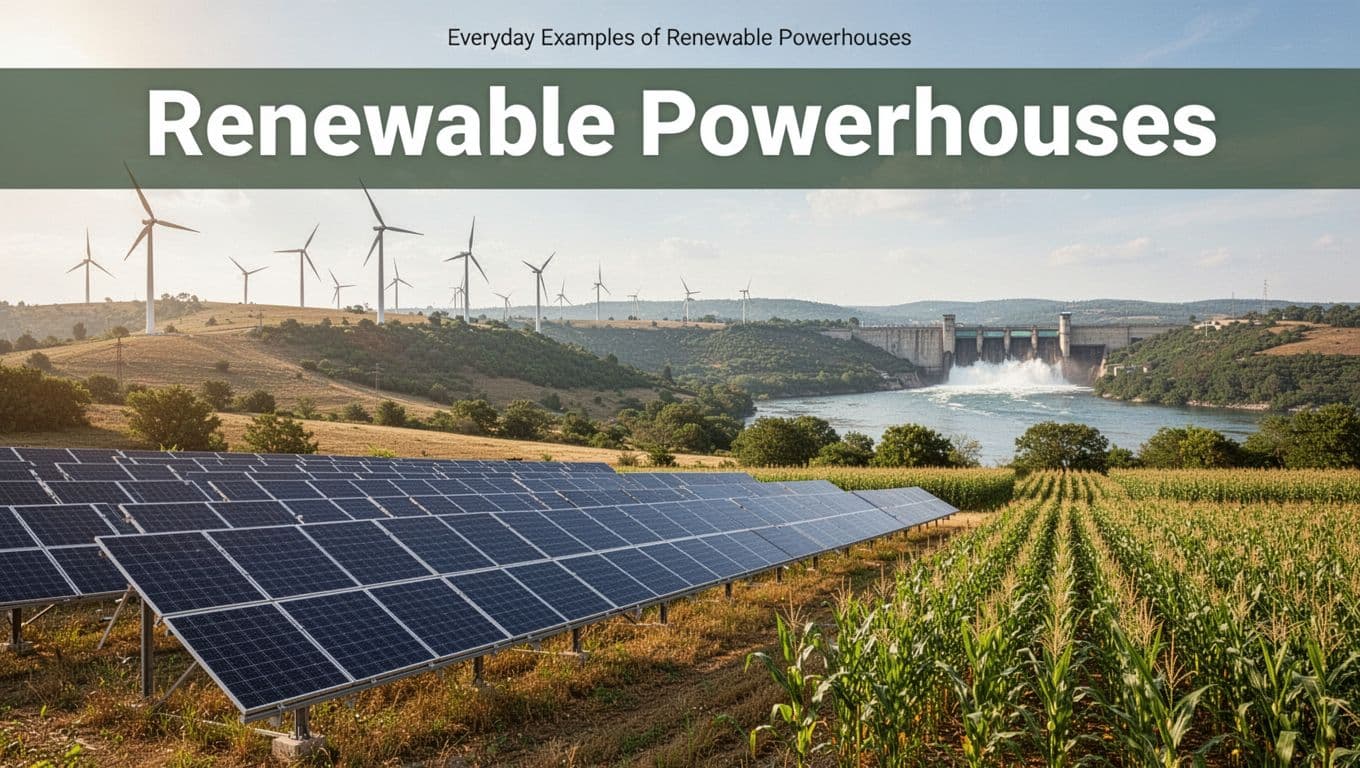
You can often find renewables right in your routine. A rooftop array quietly turns daylight into electricity. Nearby hills may host wind turbines that convert moving air into power. Farther away, a dam uses flowing water. And in some places, biofuels come from farm crops.
Solar works because photons from the sun hit a panel, pushing electrons to create current. Wind works because blades spin as air rushes past them. Hydro works because moving water turns turbines, usually behind a dam or in run-of-river systems. Biofuels work because plants store energy from the sun, then fuels release that energy when burned or processed.
In early 2025, new solar additions alone climbed to huge levels, with forecasts pointing to about 380 GW of new solar in that period. That kind of growth matters because solar tends to be fast to build, especially where land and permitting move smoothly.
If you want a mental shortcut, think of renewables like a tap, not a tank. The “input” keeps coming. However, output can swing with weather and seasons, which is why storage and grid planning matter.
A helpful reality check: even when renewables slow down, they don’t run out like fuel does. Instead, they change how much power they can make today.
To see how global plans treat renewables, the IEA’s Renewables 2025 executive summary highlights solar’s outsized role in new growth, along with wind, hydro, bioenergy, and geothermal. Read the IEA renewables executive summary for the full picture.
## The Traditional Non-Renewable Players
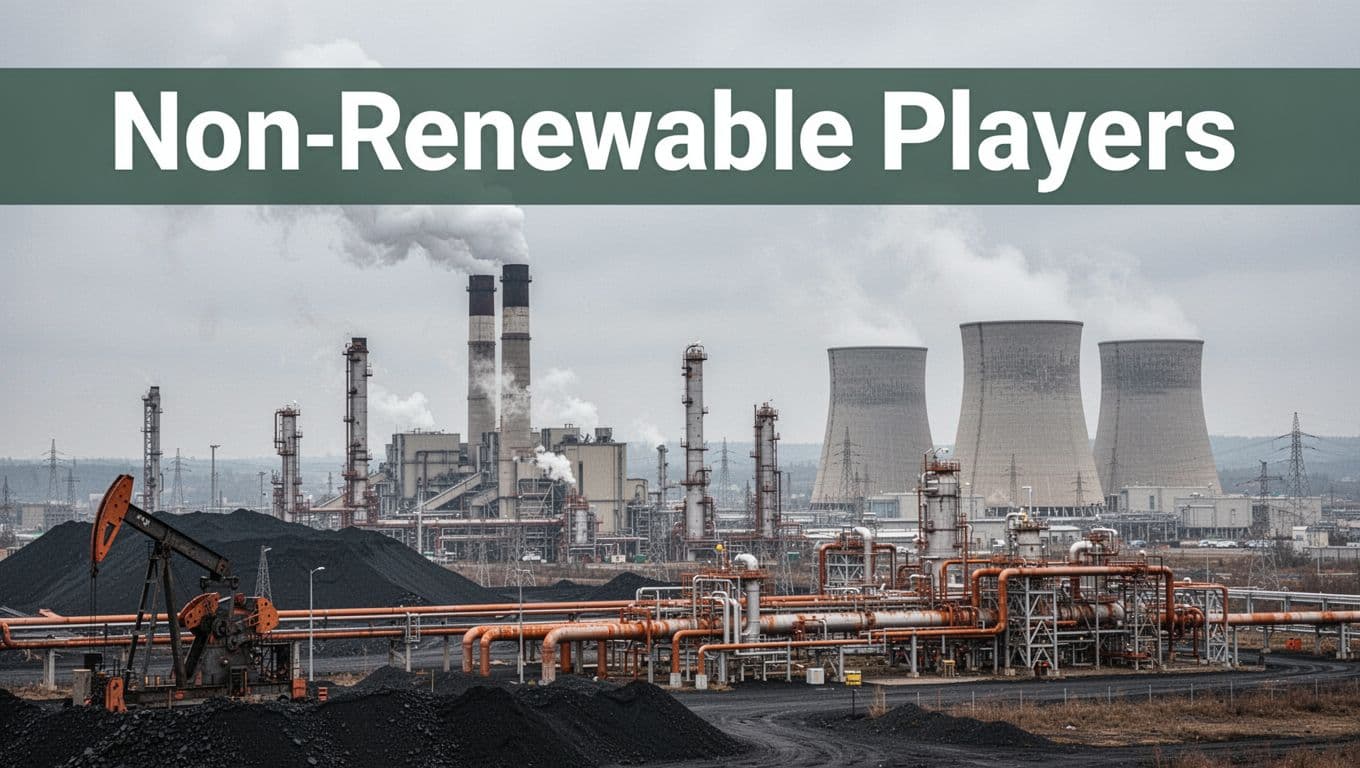
Non-renewables still run much of the world’s power system today. Many grids depend on them for steady output, especially when demand is high. Yet each one comes with the same core issue: it depends on a finite resource.
Coal powers plants by burning it to make steam, which spins a turbine. Oil gets refined into fuels that keep transportation moving and can also feed some power generation. Natural gas burns more cleanly than coal on average, but it still releases carbon when used. Nuclear uses heat from splitting uranium atoms, then turns that heat into electricity through turbines.
So, why do these sources keep sticking around? For decades, utilities built plants, pipes, ships, and storage around them. As a result, the grid often stays locked in.
Also, in 2026, it’s fair to label nuclear “non-renewable” because uranium is a limited resource. Even though nuclear plants can run for long periods, the fuel supply is not infinite. Over time, mining, processing, and enrichment all face constraints.
Here’s the side-by-side way to spot the difference, right away:
- Renewables: solar, wind, hydro, and biofuels draw from ongoing nature patterns. Their “fuel” keeps arriving.
- Non-renewables: coal, oil, natural gas, and nuclear depend on stored fuel. That fuel depletes with use.
At the system level, that leads to different trade-offs. Non-renewables can deliver power on command, but they face fuel supply limits and ongoing emissions. Renewables can grow fast, but they often need support from storage, flexible generation, or grid upgrades to smooth out dips.
If you want a 2026-focused snapshot of how renewables are expected to rise over time, Carbon Brief’s coverage of IEA projections is a solid starting point, via renewables topping power source by 2026.
How Power Gets Made: The Generation Process Explained
Power generation looks simple from the outside. In reality, every source runs its own “recipe” to move energy into electricity. First, energy must get turned into motion or heat. Then, that change spins a generator or drives an electrical flow.
Think of it like this: renewables harvest nature’s flow, while non-renewables burn stored ancient fuel (or split atoms) to produce heat. The steps matter because they shape reliability, startup times, and how easy it is to match demand on the grid.
Renewables Harnessing Nature’s Flow
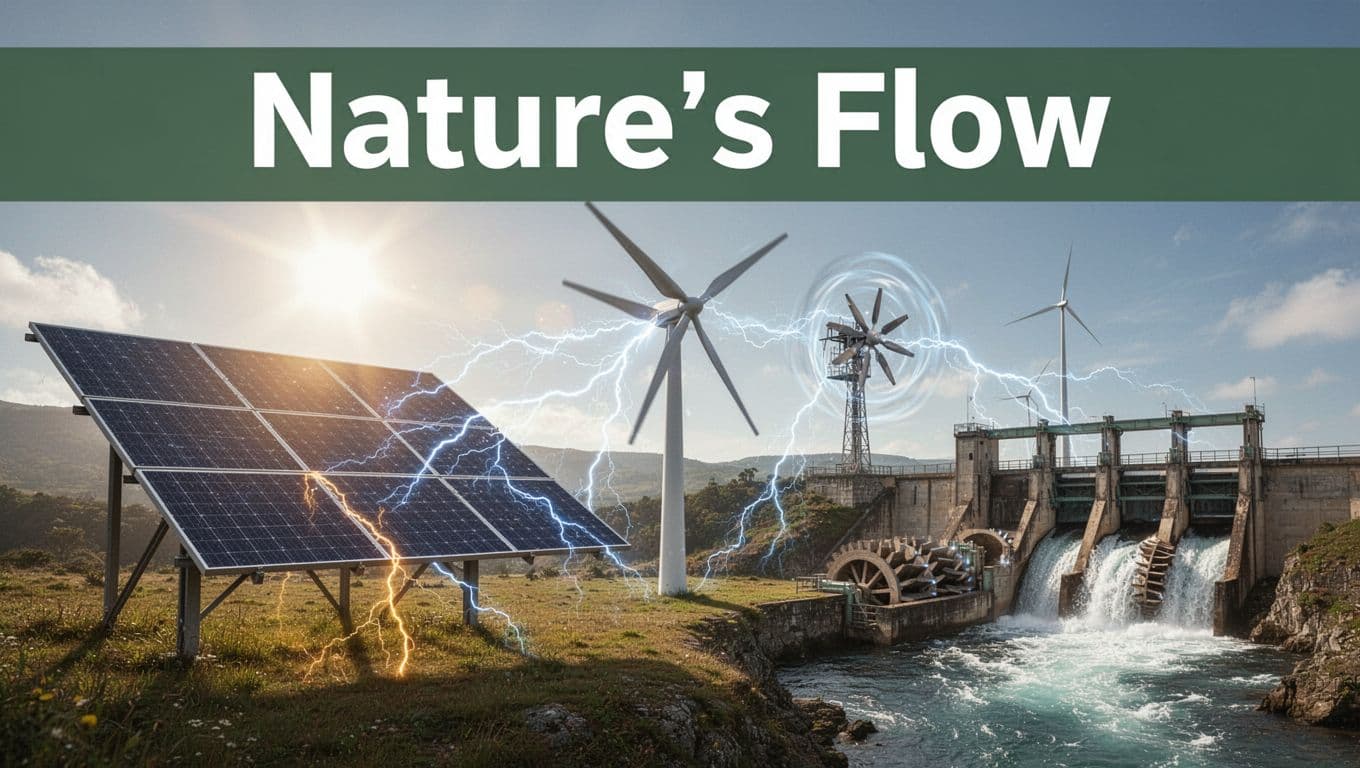
Renewable power often skips the fuel step entirely. Instead, it starts with an ongoing natural input, then converts it into electricity. That’s why solar, wind, and hydro can produce power without combustion or fuel delivery.
Solar photovoltaic (PV) starts with the photovoltaic effect. Sunlight hits semiconductor material, usually silicon, and it knocks electrons loose. After that, the panel’s electric field pushes those electrons into an electrical current. Finally, an inverter converts the direct current (DC) into alternating current (AC) that your home can use.
Wind generation works like a giant fan that never needs to plug in. Wind spins turbine blades, and the rotor turns a generator. Inside the generator, magnets and coils create electricity through electromagnetic induction. When wind is stronger, the turbines can produce more power.
Hydropower turns gravity and moving water into electricity. Water pressure spins turbine blades. Many systems use a dam to store water in a reservoir, then release it through pipes. Other systems use run-of-river designs, with flow changing based on river conditions. Either way, flowing water does the work.
Here’s what this means for reliability. Solar output rises and falls with clouds and time of day. Wind output shifts with weather patterns. Hydropower changes with rainfall, snowmelt, and reservoir operations.
Because of that, grids plan for variability using tools like transmission upgrades, flexible generation, and energy storage. If you want a broad overview of where the power comes from and how generation fits the grid, see how electricity is generated (EIA).
Non-Renewables Relying on Fuel and Fission
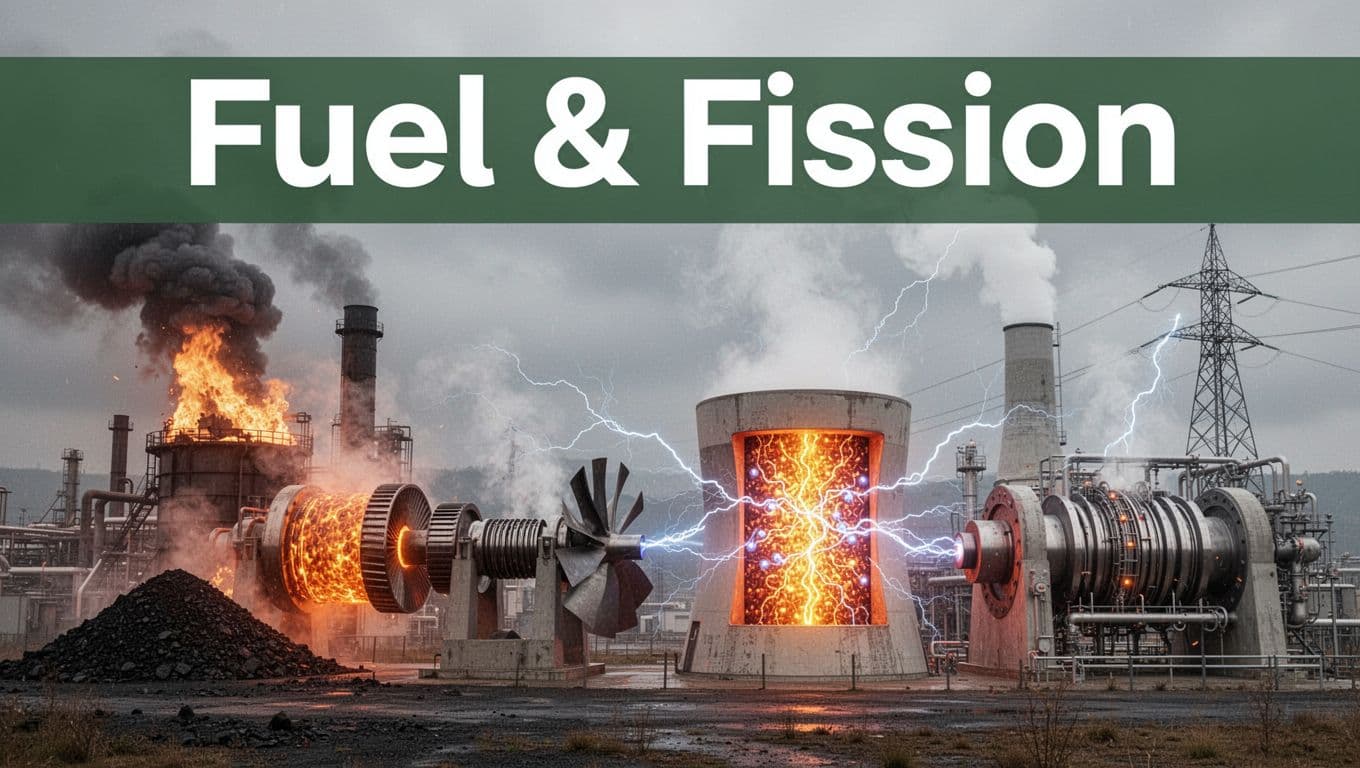
Non-renewable generation usually looks more “engine-like.” It depends on stored energy in fuel. Operators burn fuel or run nuclear fission to create heat. Then, they use that heat to boil water into steam. The steam drives turbines connected to generators.
For fossil fuels, combustion is the key step. Coal or natural gas releases energy when it burns. Power plants funnel that heat into a boiler, where it boils water. Steam expands and spins a turbine. After that, the generator converts the turbine’s rotation into electricity.
Natural gas plants often ramp faster than coal units. That matters when demand jumps, like during hot afternoons. Still, they rely on fuel supply and still emit carbon dioxide when they run.
Nuclear power takes a different path. Instead of burning fuel, a reactor uses fission. Uranium atoms split in the reactor core, releasing heat. Control systems manage the chain reaction so the plant stays stable. The heat then transfers to a water system, producing steam that spins turbines like other thermal plants.
Reliability comes with trade-offs. Fossil plants and nuclear units can often provide steady output for long periods. They also can follow dispatch signals to varying degrees, depending on plant design.
At the same time, these systems depend on fuel availability and scheduled maintenance. Fuel logistics can tighten during disruptions, and nuclear refueling requires downtime. Emissions also add long-term costs through air pollution and climate impacts.
If you want a clear baseline on how the U.S. power sector is structured, including generation and fuel sources, check Electric Power Sector Basics (US EPA).
Below the surface, the contrast is simple: renewables convert sunlight, wind, and water directly, while non-renewables turn fuel energy (or fission heat) into steam and turbine motion. That difference drives how each source supports reliability, especially when weather and demand swing.
Pros, Cons, and Real Trade-Offs You Need to Know
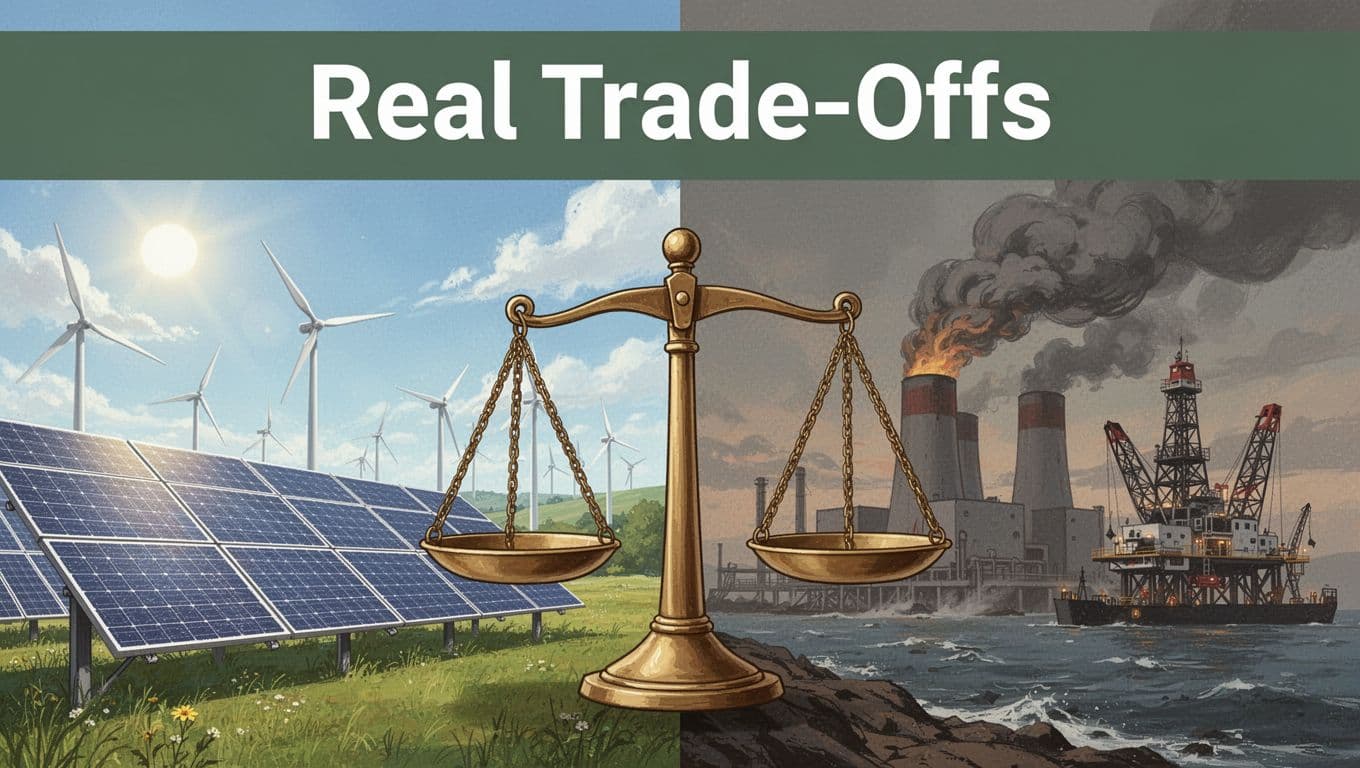
At a high level, the debate is simple. Renewables keep getting power from ongoing nature flows, but they can swing with weather. Non-renewables can run 24/7, yet they depend on finite fuel and create pollution. The real decision comes down to what you’re willing to manage: variability or depletion.
What Renewables Bring to the Table
Renewables often win on cost to run. Once you build them, the “fuel” is free, so operating costs stay low. They also create jobs, especially in installation and maintenance, and they can scale fast when permitting and supply chains cooperate.
Solar and wind also help with long-term price risk. Fuel costs can spike for fossils when markets or geopolitics get rough. With renewables, you avoid that same fuel bill every month.
Here’s the trade-off you cannot ignore: intermittency. Solar drops at night. Wind can calm for hours or days. That means power planners usually add one or more of these:
- Batteries or other storage to cover peak hours
- Transmission upgrades to move power from where it’s generating
- Flexible backup (often gas in the near term) for rare, hard-to-cover events
- Demand shifts (like running some loads off-peak)
Also, renewables need space. Utility-scale solar fields, wind corridors, and transmission lines take land, plus time for siting and permitting. Upfront build costs can feel heavy, even when the lifetime economics look strong.
Even so, the numbers keep improving. For example, BloombergNEF tracks how battery and solar costs move together in reports like BloombergNEF’s LCOE cost tracking. And in 2024, multiple analyses found solar power running costs around 41% cheaper than fossil generation, and that advantage has often held up as tech kept getting more efficient.
Non-Renewables’ Strengths and Weak Spots
Non-renewables bring something like a power plant “engine”. When you need electricity at 7 p.m., they can usually deliver reliably. That steady output supports heavy industry and data centers that can’t pause. Plus, much of the infrastructure already exists: plants, pipelines, rail lines, and grid connections.
They also tend to start up faster than most people expect. Some gas units can ramp to meet demand changes, which helps when wind dips or clouds roll in.
Then the weak spots show up, fast.
First, fuel is finite. Coal reserves and oil fields eventually run out, and the remaining supply often costs more. Second, prices can swing. Natural gas prices in the U.S. can jump and fall with weather and global events, which then feeds into electricity rates.
Third, the biggest long-term cost is emissions. Burning fossil fuels adds greenhouse gases, plus air pollution that affects public health. Nuclear avoids carbon during operation, yet it still relies on a limited fuel cycle and comes with high construction and waste management needs.
If you want a quick reality check, use this mental model:
- Renewables: low ongoing cost, then you pay to balance the system.
- Non-renewables: steady output, then you pay through fuel volatility and pollution.
Digging into Impacts: Environment, Costs, and Dependability
Energy choices show up in your life in quiet ways, like the air you breathe, the bill you pay, and how steady power stays during heat waves. In 2026, renewables are already a big piece of the mix, supplying about 36% of global electricity. Even so, they still compete with non-renewables on three fronts: environmental footprint, long-run costs, and dependability.
Environmental Footprints Compared
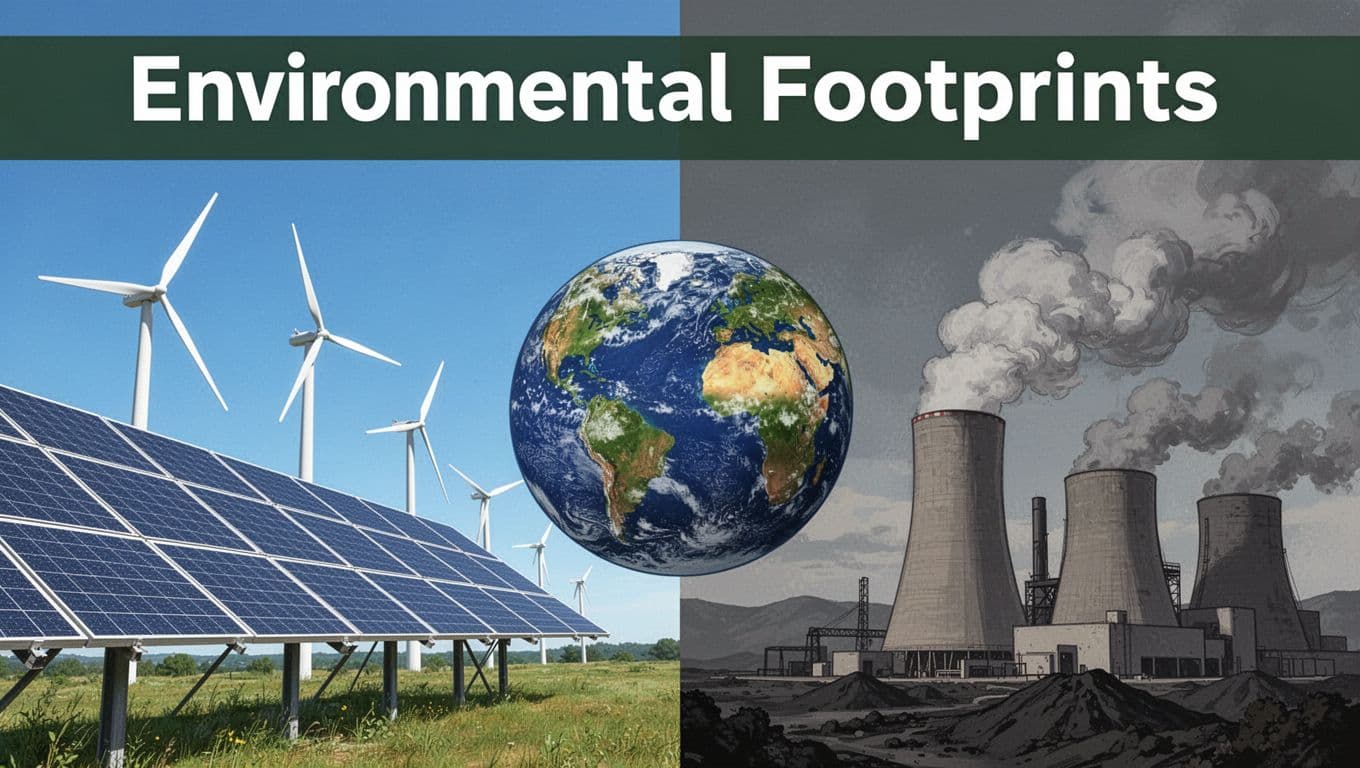
If you care about air and climate, the contrast is blunt. Renewables produce near-zero pollution during operation, so they cut CO2 and also reduce harmful smog-forming emissions. Non-renewables, especially coal, keep pushing pollution into the sky every time they run.
Across the full life cycle, renewables still have an imprint, but it is much smaller. Coal’s emissions are far higher than wind or solar when you compare greenhouse gases and air pollutants per kilowatt-hour. For a solid reference point on emissions patterns, see CO2 emissions trends in the IEA’s Global Energy Review. And if you want a quick look at life-cycle comparisons, this table of emissions across energy sources is a useful snapshot.
Crunching the Numbers on Costs
Costs decide what gets built, not just what sounds good. Renewables often win because the fuel is free, while coal and gas keep sending you a monthly bill through fuel price swings and emissions-related expenses.
In the U.S. and other markets, analysts have found that new wind and solar can beat new coal and gas on lifetime cost. One reason is simple: while you still pay to build and connect renewables, the ongoing operating cost stays low. For method and assumptions behind LCOE comparisons, the EIA’s Levelized Costs of New Generation Resources (AEO 2025) is a good starting point.
Also, the build momentum is hard to ignore. In 2024, renewables made up 92.5% of new capacity additions, and investment kept pouring in, with $2.2 trillion flowing to clean energy in 2025. Even when fuel prices fall, renewables keep holding their ground, and wind has often clocked costs around 53% below coal or gas in major trend analyses.
Can You Count on Them When It Matters?
Dependability is where people get nervous, and that makes sense. Non-renewables can run like a steady engine, giving power on command. Renewables, by contrast, act more like the weather, changing with sun and wind.
The key shift is how grids respond. Instead of insisting renewables do everything alone, system planners pair them with storage and grid upgrades. Batteries help cover nighttime solar and calm stretches of wind, while transmission and better dispatch smooth local gaps.
So yes, non-renewables still function as base power in many places. Meanwhile, renewables plus storage increasingly handle the peaks, the fast changes, and more of the day-to-day demand, as the system modernizes.
Today’s Landscape and Tomorrow’s Shift in 2026
The energy picture in 2026 feels less like a slow replacement and more like a crowd surge. Renewables are already a major share of electricity, and they’re showing up where growth actually happens.
At the same time, the future shift isn’t just about building more solar and wind. It’s also about how the grid adapts, how policies affect timelines, and how reliable power gets delivered when weather changes.
What 2026 Looks Like Right Now (and Why It Matters)
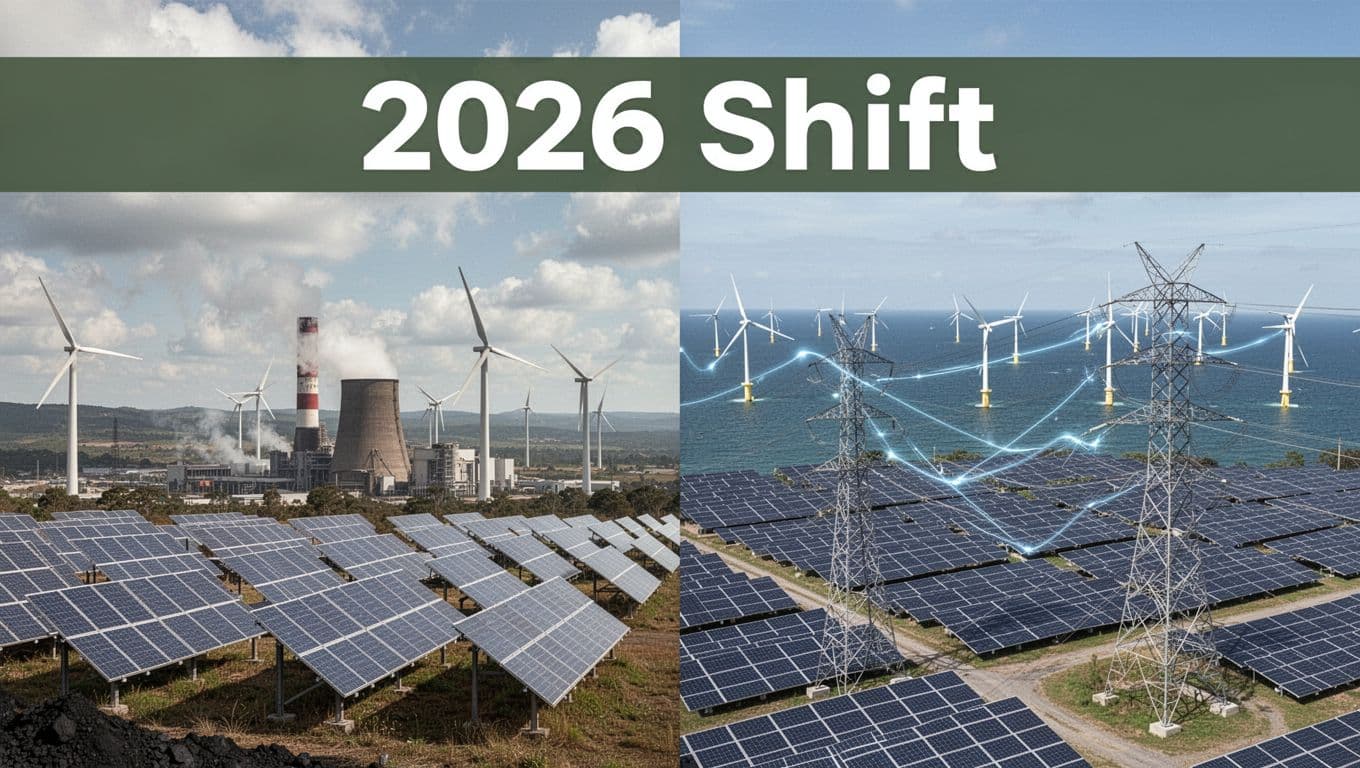
In 2026, renewables are about 36% of global electricity, while coal sits near 32%. That gap is more than a stat, it changes the way utilities plan.
Also, renewables aren’t only gaining share. They’re winning the growth race. In 2024, renewables made up 92.5% of new capacity additions worldwide, and solar keeps leading that buildout. This matters because the easiest way to grow clean power is to add new supply, not tear down old plants first.
Meanwhile, electrification keeps pushing demand up. According to the IEA, wind and solar combined cover more than 90% of the increase in global electricity demand through 2026. You can see the forecast shape in the IEA Electricity 2026 executive summary.
So the shift is happening on two fronts:
- Share grows, because generation keeps adding up.
- New demand follows, because electrification pulls power toward where renewables can scale.
The 2026-to-Next Shift: Faster Solar, More Wind, and Grid Reality
The “tomorrow” part depends on what happens after the first wave of installs. In 2025, clean energy investment topped $2.2 trillion, and EV sales hit more than 20% of cars sold worldwide. That’s a big deal, because EVs and air conditioning can swing peak loads.
However, the transition has friction points. In the US, tax credits tied to the IRA face a key sunset window in mid-2026, which can change timing for projects and household upgrades.
From here, the tipping point feels close, but it won’t be magic. The next phase needs:
- More solar and wind, especially where supply chains and permitting stay smooth
- Grid upgrades, so power can move from generation-rich areas to load centers
- More flexibility, like storage and fast-ramping backup, so demand stays covered
The bottom line is simple: renewables keep moving from “added option” to “main backbone,” and coal keeps sliding as the grid modernizes.
Conclusion
Energy choices shape your everyday life, from charging your phone to keeping lights on during peak hours. When you compare renewable and non-renewable energy systems, the core difference is simple: renewables keep drawing from ongoing nature flows, while non-renewables rely on fuels that run out over time.
That difference drives the trade-offs you’ve seen throughout this post. Renewables can be cheap to run and fast to build, yet output swings with sun and wind, so grids often pair them with storage, upgrades, and flexible backup. Non-renewables can deliver steady power on command, but they come with finite fuel supply limits and pollution costs that add up over years.
If you’re ready to act, start with your area. Learn your local energy mix, then explore what “renewables” could look like for you, for example going solar if it fits your home and budget. After that, share this post with someone who wants clean power without the confusion.
What would you change first in your community, more solar and wind, or more grid support to handle variability? The momentum heading into 2026 is real, and it’s building.