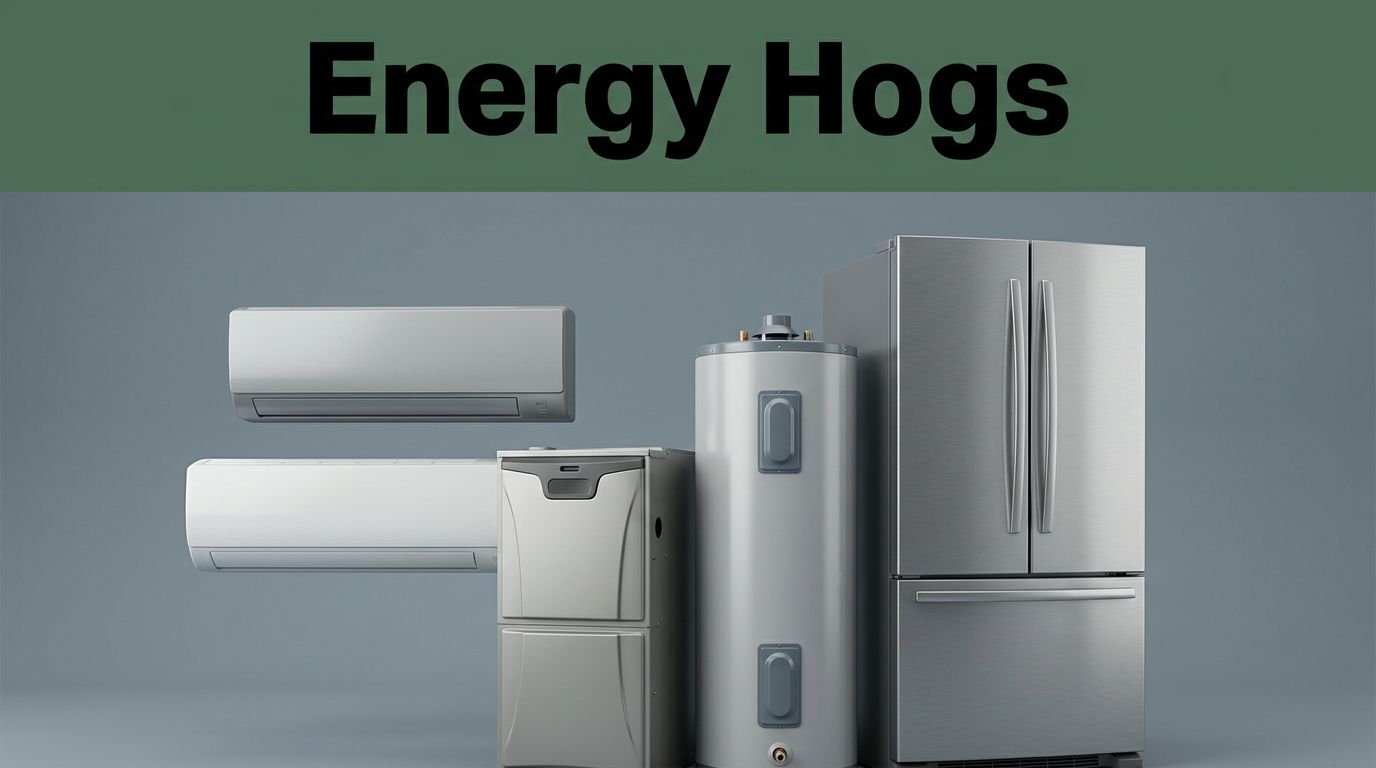
Ever look at your utility bill and wonder where all that money goes? In many U.S. homes, it comes down to a small group of appliances that run a lot (especially when weather turns extreme). According to the EIA’s Residential Energy Consumption Survey (RECS) 2020 data, air conditioning (19%), space heating (12%), water heating (12%), and refrigeration (7%) add up to about half of household electricity use combined.
That matters because spotting the biggest energy hogs is how you get real savings. If you focus on the right appliances first, you can cut hundreds per year without changing everything about your life.
So which appliances pull the most power? In most homes, HVAC systems usually top the list, followed by water heaters, then refrigerators/freezers. After that, your bill often reflects your laundry habits, plus cooking and dishwashing.
Let’s break down the biggest electricity users, why they cost so much, and what you can do today to lower your usage.
HVAC Systems: The Undisputed King of Home Energy Use
If you had to pick one category most likely to dominate your electric bill, it’s usually HVAC. Heating, cooling, and all the related fan and control power stack up fast. In the EIA RECS electricity breakdown, air conditioning is 19% and space heating is 12%. Add in the smaller but constant HVAC loads many homes have (like circulation fans and controls), and HVAC can land closer to the 40% range for many households.
Here’s the key idea: HVAC costs you money in two ways. First, the system has to hit your target temperature. Second, it keeps running because the home loses heat or cool air.
Why Your Furnace, AC, and Heat Pump Cost So Much to Run
Air conditioning is the clearest culprit on hot days. It has to remove heat from indoors, and it can run for hours when humidity and outdoor temperatures stay high.
Space heating does the same thing in winter, just in reverse. Even if your furnace or boiler cycles, the overall demand can be steady for months.
Heat pumps deserve a special mention because they’re growing in popularity. Recent figures show heat pumps made up 47% of air conditioners sold in 2025, and 2026 continues that momentum. They can reduce energy use because they move heat instead of only generating it.
Also, the fuel type matters:
- Electric heating often shows up as a bigger electricity share.
- Gas heating may reduce electric use, but your total energy bill can still be high depending on rates and system age.
Older systems can raise costs too. If the unit struggles to reach temperature, it runs longer, and that costs more per day.
Signs Your HVAC Is an Energy Hog and Quick Fixes
Sometimes your HVAC isn’t just “working hard.” It’s working inefficiently. These issues are common, and they’re often easy to fix.
Quick wins that help right away:
- Replace or clean air filters (a clogged filter can force the system to work longer).
- Check thermostat settings and schedule.
- Seal obvious leaks around doors and windows.
Also, try to avoid big swings. If your schedule allows it, set temps around 78°F in summer and 68°F in winter. Small changes can cut runtime because the system doesn’t have to fight as much to hit extreme targets.
If your HVAC runs more often than it used to, start with the simplest causes first: filters, airflow, and drafty spots.
Potential savings vary by home, but the direction is consistent. Better airflow and smarter setpoints usually mean fewer long cycles, which is where energy use drops.
Water Heaters and Fridges: The Top Two Runners-Up Stealing Your Power
After HVAC, two appliances show up again and again: your water heater and your refrigerator/freezer.
From EIA RECS electricity data, water heating averages 12% of household electricity. In homes that rely heavily on electric water heaters, it often feels higher because the unit must heat water constantly and recover after each use.
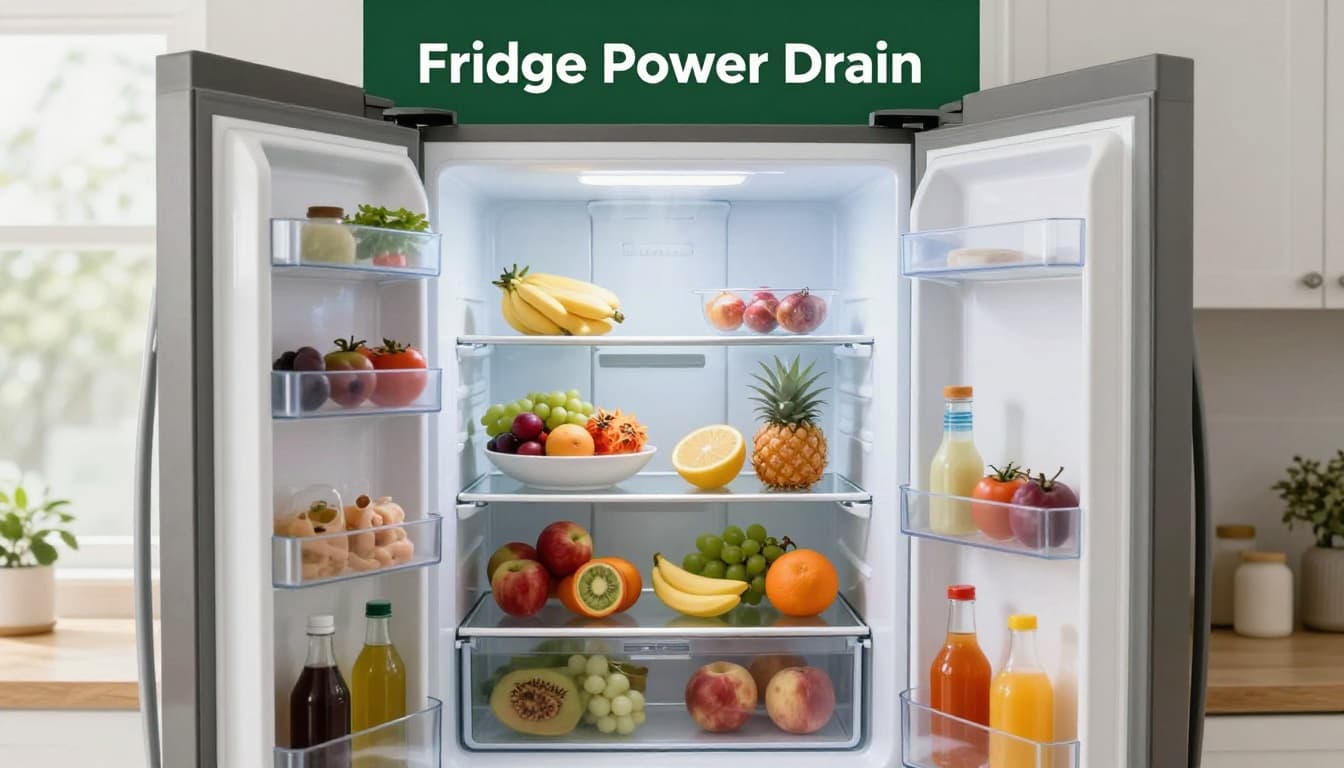
Meanwhile, refrigeration tends to look small until you remember one thing. It runs all day, every day. EIA RECS shows refrigeration at 7% of electricity on average. Older fridges and freezers can push that higher.
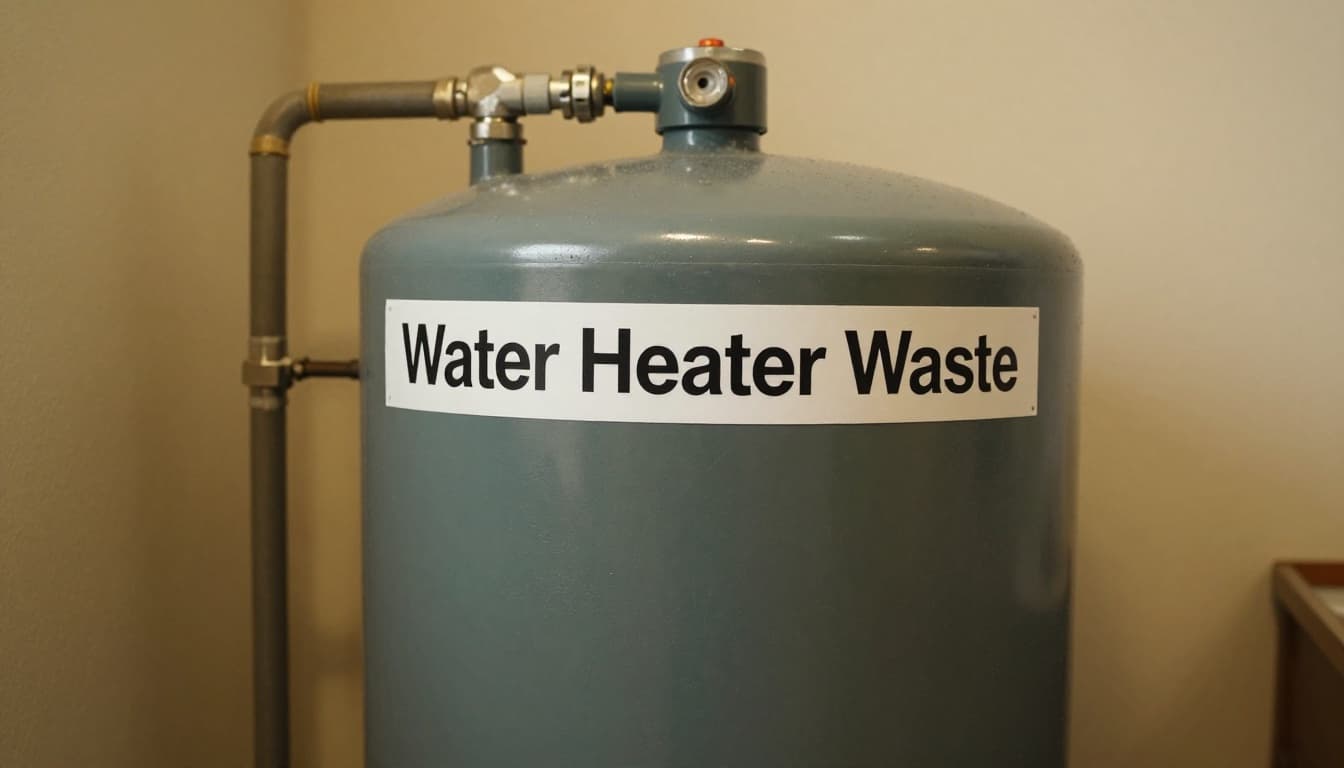
How Your Water Heater Works Overtime and Wastes Energy
Most electric water heaters work like this: they heat a tank of water, then the unit reheats water as heat escapes. That heat loss is why water heaters can keep running even when nobody showers.
Tank vs. tankless changes the story:
- Tank heaters store hot water, so they can lose heat while idle.
- Tankless heaters heat water on demand, which can cut standby losses.
You’ll also see big differences with modern efficiency options. Energy Star heat pump water heaters can use 60% to 70% less energy than conventional electric models. That’s because they move heat from air instead of creating it only from electricity.
If you want an easy tweak, try lowering the temperature setting. Many people set it higher than they need. Also, insulating hot water pipes can reduce heat loss between the heater and your faucets.
Refrigerators: Why That Constant Hum Adds Up Fast
A refrigerator’s energy use comes from steady compressor cycles. It runs more when:
- Doors stay open longer.
- Coils get dusty.
- The unit is set colder than needed.
- The fridge is oversized for your household.
The good news is that newer fridges are often much more efficient. Energy Star notes that efficient models can fall around 400 to 600 kWh per year, with some top models around 545 kWh annually.
In plain terms, an efficient fridge can cost far less to run than an older one. But you still feel the cost because it runs 24/7.
Here’s a simple comparison of what typically drives electricity use:
| Appliance | Typical share of electricity | What drives the bill most |
|---|---|---|
| Electric water heater | ~12% (often higher for electric-heavy homes) | Standby heat loss, daily hot water use |
| Refrigerator/freezer | ~7% on average | Compressor cycles, door openings, coil cleanliness |
If you’re trying to prioritize, water heater settings and fridge upkeep are two of the best places to start after HVAC.
Clothes Dryers, Ovens, and Other Common Culprits Adding to the Tab
Laundry and cooking can stack up more than you’d expect. The reason is simple: these appliances heat things up, and heating needs power.
After HVAC and hot water, many homes see these patterns:
- Clothes dryers are often a top “non-HVAC” user.
- Cooking tends to be smaller, but it depends on how often you bake and roast.
- Dishwashers and washing machines are usually efficient compared to drying and heating water.
Dryers and Laundry Machines: Heat That Hits Your Wallet
Dryers can be brutal because they vent warm air outside. That means you’re constantly paying to reheat air in a cycle.
Energy use can swing based on how you dry clothes and how often you run loads. A typical range is about 40 to 60 kWh per month for dryer use in many households.
Also, the dryer pairs with your washer habits. Using cold water for most loads can cut electricity because the washer doesn’t need to heat the water.
If you want savings you can feel fast:
- Air-dry when you can, even for part of the cycle.
- Clean the lint trap every load.
- Keep dryer vents clear, so drying time doesn’t grow.
There’s also a modern trend worth watching. Heat pump dryers use less energy by reusing heat. In 2026, more homes are adopting them as efficiency tech spreads.
Cooking Appliances: Ovens vs Microwaves Showdown
Cooking is often smaller than HVAC, but it still matters. Electric ovens use energy for both heating and preheating, especially for long bakes. Microwaves usually win because they heat faster and waste less heat.
A practical way to think about it is this: if you cook often, your cooking share climbs. If you cook lightly, it stays modest.
Here’s a simple “ranked by typical electricity use” snapshot for common kitchen appliances in many U.S. homes:
- Clothes dryer: about 5% (often around 525 kWh/year)
- Cooking (ranges/ovens): around 3%
- Dishwasher: about 2% (often roughly 210 to 240 kWh/year)
- Washing machine: usually much lower per month, but the dryer often makes laundry feel expensive
For day-to-day savings, match your cookware to the burner size and use lids. Also, try fewer “just in case” preheats. If a recipe allows, use microwave or convection when it makes sense.
Smart Steps to Tame These Energy Hogs and Lower Your Bills Today
You don’t need to replace everything at once. Instead, focus on the appliances with the biggest run time and the longest “always on” effects.
Also, check which upgrades actually pay off for your home. Appliance efficiency labels help, but they work best when you compare real models. ENERGY STAR maintains a list of products to look at, including the most efficient picks in categories like HVAC and refrigeration.
For another helpful perspective on how electricity use breaks down by appliance, you can also review this guide on which appliances use most electricity.
Here are practical moves that make a difference in most homes:
- Set HVAC schedules and keep summer around 78°F (winter around 68°F) when you’re home and comfy.
- Use the right HVAC filter and replace it on time.
- Lower water heater temperature and insulate hot water pipes.
- Choose Energy Star for big swaps (fridges, dryers, heat pump water heaters). Start with ENERGY STAR Most Efficient.
- Keep fridge seals tight and coils clean, and don’t over-chill.
- Dry smarter: air-dry when you can, and clean lint and vents.
If you want to go one step deeper, the EIA’s RECS datasets help you see how electricity use varies by home type and region. Start with the broader 2020 RECS data overview.
The best part is that once you cut HVAC and standby losses, everything else gets easier to manage.
Conclusion
Your utility bill has a pattern, and HVAC plus hot water plus refrigeration usually explain most of it. In EIA RECS electricity data, air conditioning (19%), space heating (12%), water heating (12%), and refrigeration (7%) together land around half of household electricity use.
After that, laundry habits and cooking frequency can add pressure, mainly because dryers heat and vent air and because ovens take time to preheat.
If you want one strong next step, do a quick home energy audit that targets these top appliances first. Then use Energy Star when you’re ready to replace anything with high run time.
The surprising truth is that you don’t need a perfect system to save money. You just need the right priorities, and your home can feel just as comfy with a lower bill.