Your home could be wasting money every month, and most people don’t notice until the bill hits. In 2026, the average US household pays about $1,740 to $2,160 per year for electricity, and heating and cooling often makes up nearly half of what you pay. That means small changes can lead to real savings, usually 10% to 30% on your bill over time.
If you’ve tried “being careful” but still feel stuck, you’re not alone. Appliances, hot water use, and indoor comfort loads add up fast, especially during extreme weather. The good news is that reducing electricity usage can also lower your home’s carbon footprint, and it may help you qualify for local utility rebates and energy-efficiency incentives.
You don’t need a full home remodel to start. In the next sections, you’ll get practical steps you can do right away, like smart thermostat tweaks, switching to LED bulbs, and unplugging idle devices. You’ll also see which upgrades tend to pay off first, so you spend money only where it matters.
One easy way to stay motivated is to track your usage with a utility app or smart plug, then watch the numbers drop as you adjust habits. Start with the changes that feel simple, then build from there, so you can cut costs and keep them cut with less stress.
Spot Your Home’s Top Energy Thieves First
Most homes do not waste energy in one dramatic way. Instead, you lose power in small places, then those losses stack up month after month. So, your best move is simple: find the biggest “users” first, then fix the quick wins you can control today.
Start with the pattern most US homes follow. Heating and cooling usually drives the biggest share, often around 46% to 54%. Next come appliances and lighting, which can land around 20% to 30% combined depending on your setup. After that, phantom or standby power sneaks in. It’s easy to ignore because devices look off, even when they’re still drinking power.
If you want faster results, treat it like a detective case. Follow the money, then follow the electricity.
Hunt Down Phantom Power Vampires
Phantom power is the electricity your devices use when you think they’re “off.” TVs, set-top boxes, gaming consoles, and phone chargers often keep a small load for remote control, clocks, or updates. In many homes, this can be up to 10% of electricity usage, which is a lot when it runs 24/7.
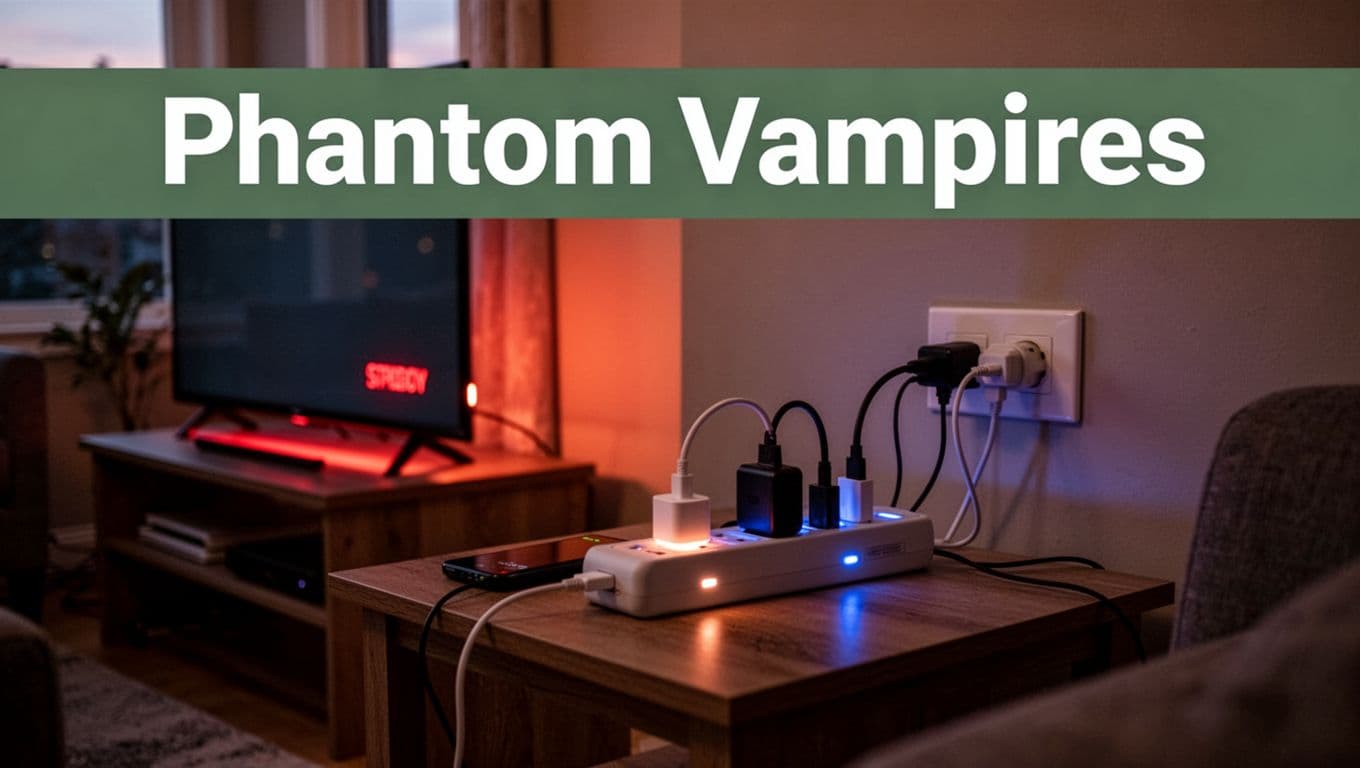
Here’s how to spot it in your real home. First, look for devices with lights that stay on after you shut things down. Next, check chargers and power bricks plugged in behind furniture. Even a power strip can hide vampires if everything stays connected.
Use this quick attack plan:
- Group devices with power strips so you can shut them down in one move.
- Unplug chargers when you’re done charging (especially phone chargers).
- Switch off at the strip for devices that do not need to stay ready.
- Skip “always-on” outlets for things like old electronics you rarely use.
If you want a modern option, smart power strips can cut power automatically. That matters because the kill switch happens even when you forget. For a clear breakdown of how smart strips help with standby loads, see DOE guidance on smart power strips. You can also reference Palmetto’s vampire energy guide for practical examples.
Want a simple starter test? Try this for one week:
- Pick one spot, like the living room.
- Turn off the strip or unplug the chargers at night.
- Keep the TV and console unplugged only when you’re truly done.
Do you think one week can move the needle? On its own, maybe not much. But when you repeat this across multiple rooms, the savings become more noticeable.
Check Your Heating and Cooling Culprits
Heating and cooling usually run your bill up, because your system works against the weather all day. As a result, thermostat habits and air flow issues create the fastest gains. If you only fix one thing, make it this.
First, check your thermostat settings. Small changes add up, especially during peak heat or cold. The Department of Energy notes that turning your heating or cooling back 7°F to 10°F for time periods can save up to 10% a year. For more, review programmable thermostat tips from the DOE.
For everyday comfort, think in real life terms. If your AC feels “too cold” when you’re home, adjust the dial instead of blasting harder. Many people set cooling too low because it feels like “instant relief.” But your home never stops fighting the outdoor temperature, it just works harder.
Next, inspect your filters. A dirty filter makes your HVAC system push harder for the same airflow. So, you might pay more while getting less comfort. Start with one easy rule: change or check filters about monthly (or sooner for pets and dusty homes).
Use these quick checks:
- Is your AC filter clogged? If airflow feels weak, replace it.
- Does your home stay humid? Poor airflow often shows up as damp rooms.
- Do vents blow uneven air? That can point to restricted filters or blocked returns.
- Are you running the fan all day? Try “auto” instead.
If you want one fast, practical savings example: raising your AC setpoint to 78°F instead of cooler settings can save about 6% to 8% per degree, especially in warmer climates. Pair that with clean filters, and you remove two common energy drains at once.
For extra guidance on thermostat settings that balance comfort and efficiency, read thermostat settings for energy savings. Then, do the simplest part today: check your filter date and adjust your thermostat by a small amount.
If your goal is to cut bills quickly, this is where the payoffs usually show up first, because HVAC energy use is so high. Start there, then go after the smaller leaks like standby power.
Adopt These No-Cost Habits for Instant Bill Cuts
These habits cost you nothing, but they can trim your bill fast. Think of your electricity use like a leaky faucet. You might not notice one drop, yet the waste adds up every hour.
Start with comfort first, then cut the heat. Most homes burn the most power in heating water, cooling air, and cooking heat loss. When you change those patterns, the savings show up in your next few bills.
Tune Your Thermostat Like a Pro
If you do one no-cost move, tune your thermostat schedule. It controls how hard your HVAC system works, and HVAC energy often leads the bill.
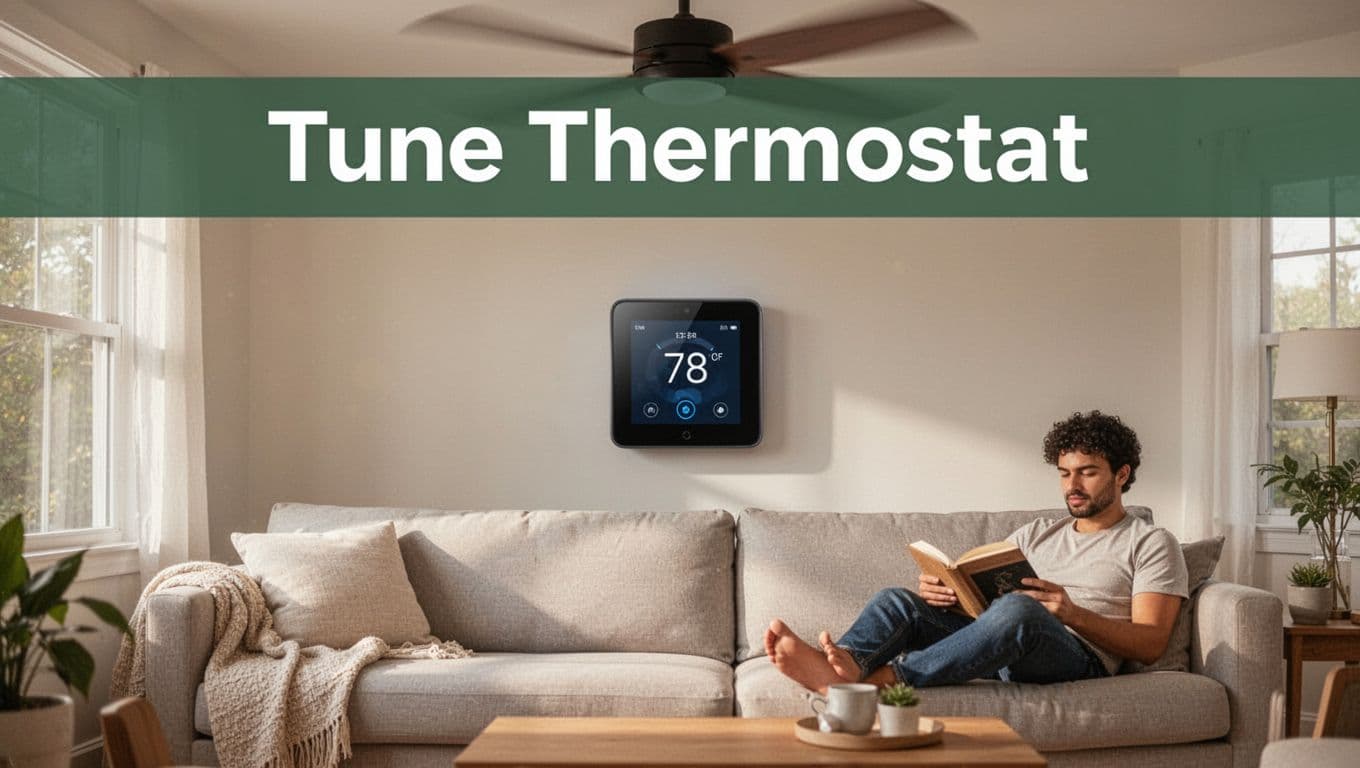
For summer, use a simple target: 78°F when you’re home. In winter, aim for 68°F when you’re awake and at home. Then shift it when you’re away or asleep. The US Department of Energy notes you can save about 10% a year by adjusting 7°F to 10°F for 8 hours a day. You get savings without buying anything new, as long as you set a plan.
Here’s how to make it “stick,” because habits fail when the phone buzzes and nobody wants to reset settings.
- Set one summer rule: 78°F while home, higher when gone.
- Set one winter rule: 68°F when awake, then drop 7°F to 10°F for 8 hours.
- Use your thermostat app for auto-adjust if you have one.
- Pair the change with ceiling fans so 78°F feels comfortable.
- Close blinds during the hottest hours to reduce heat gain.
When I help people set this up, I tell them to treat the thermostat like a thermostat on a boat. You do not need it to fight the ocean all day. Instead, you trim the settings when conditions change.
Want a deeper reference for thermostat behavior and scheduling? Use the DOE guidance on thermostats to confirm recommended steps.
Also, don’t ignore the “how it feels” part. Fans make the air move, so your skin cools even if the room stays warmer. Meanwhile, your AC runs less often, and that is where the money goes.
If you want a quick check, do this today: set your summer schedule to 78°F home and verify your “away” temperature is higher. For many homes, the difference is enough to keep comfort steady.
One more angle: if your thermostat looks busy, it might be too sensitive. Try a steadier schedule first, then refine after you see your usage trend for a few days.
You’ll likely notice a drop in energy use within the first billing cycle, and the combined effect of smarter HVAC habits can land around $50 to $100 per year, depending on your climate and utility rates.
Ditch Hot Water Laundry and Oven Overuse
Hot water and oven heat are two of the easiest ways to spend electricity without realizing it. The good news is you can cut both with everyday swaps, and you already own most of what you need.
First, laundry. Many washers use most of their electricity to heat water, not to run the motor. That means cold wash is not just “fine,” it’s a direct energy cut. Use cold water for most loads, especially towels, shirts, and everyday clothes. Then wash on warm or hot only when you truly need it, like heavy soil or sanitizing needs.
If you want a simple routine, follow this rule: start with cold, then adjust one variable at a time. For example, if whites still look dingy, try a better detergent or pre-treat stains, not hotter water.
Next, cooking. The oven is great for big meals, but it often heats your kitchen like a small space heater. That heat makes your AC work harder, especially in summer. An air fryer can reduce that load because it cooks faster for smaller meals and uses less heat overall.
Here’s a practical pattern that works for many households:
- Use the air fryer for chicken, veggies, and reheats.
- Save the oven for batch cooking when you cook for the whole day.
- Cook when possible during cooler hours, like late afternoon.
If you like numbers, here’s the intuition. Air fryers typically use less energy than full ovens for small to medium meals, because they reach temperature quickly and do not heat up the entire oven cavity. CNET breaks down how much you could save when you switch from an oven to an air fryer in their comparison of running costs. See air fryer vs oven energy use.
For laundry efficiency, ENERGY STAR certified washers can reduce energy and water use. If you’re shopping later, check ENERGY STAR clothes washers for guidance on what to look for. As for rebates, they often vary by utility and location, so check your local program rather than assuming federal support. Many households also miss utility rebates that appear seasonally.
You can stack savings by pairing these habits in one week. Try a “no hot” challenge and see what happens to your usage and comfort.
Before you start, set your baseline with one easy test:
- Pick three laundry loads this week and run them on cold.
- Use the air fryer for one to two meals instead of the oven.
- Keep dryer time in mind, and air-dry when weather helps.
Do you need to buy anything to feel results? No. If you do it consistently, homeowners often see total savings around $50 to $100 combined from thermostat tuning plus hot water and oven overuse cuts, though your results depend on your rates and usage.
Finally, remember this eco-friendly bonus. When you skip heating water and reduce oven heat, you also reduce the heat your home needs to remove. That means fewer emissions from electricity generation, plus less strain on your HVAC system.
Small habit, big effect. Your bill will notice first.
Upgrade to Smarter Lights and Appliances That Pay for Themselves
Small upgrades can feel like “nice to have,” but smarter lighting and efficient appliances often pay you back. They cut run-time demand, reduce wasted energy, and they keep working for years. Think of it like switching from a leaky old faucet to one that shuts off cleanly. The drip stops, and your bills finally reflect it.
You also get a side benefit: better comfort. Lights look nicer, appliances run more quietly, and control feels easier. Ready to start with the upgrades that usually show the quickest return?
Make the Switch to LEDs Without Regrets
LEDs are the easiest upgrade in the lighting aisle, mainly because they reduce energy fast. Compared with older bulbs like incandescent, LED bulbs typically use 75% to 90% less energy, and they last much longer. That means fewer bulb changes, less hassle, and less electricity powering light you do not need.
Now, let’s talk about the old vs new comparison people actually care about. Old bulbs waste more power as heat, so they burn through electricity just to make glow. LEDs convert more of that energy into light. Add smart features, and you can also control when and how bright your lights run.
Smart LED bulbs can include:
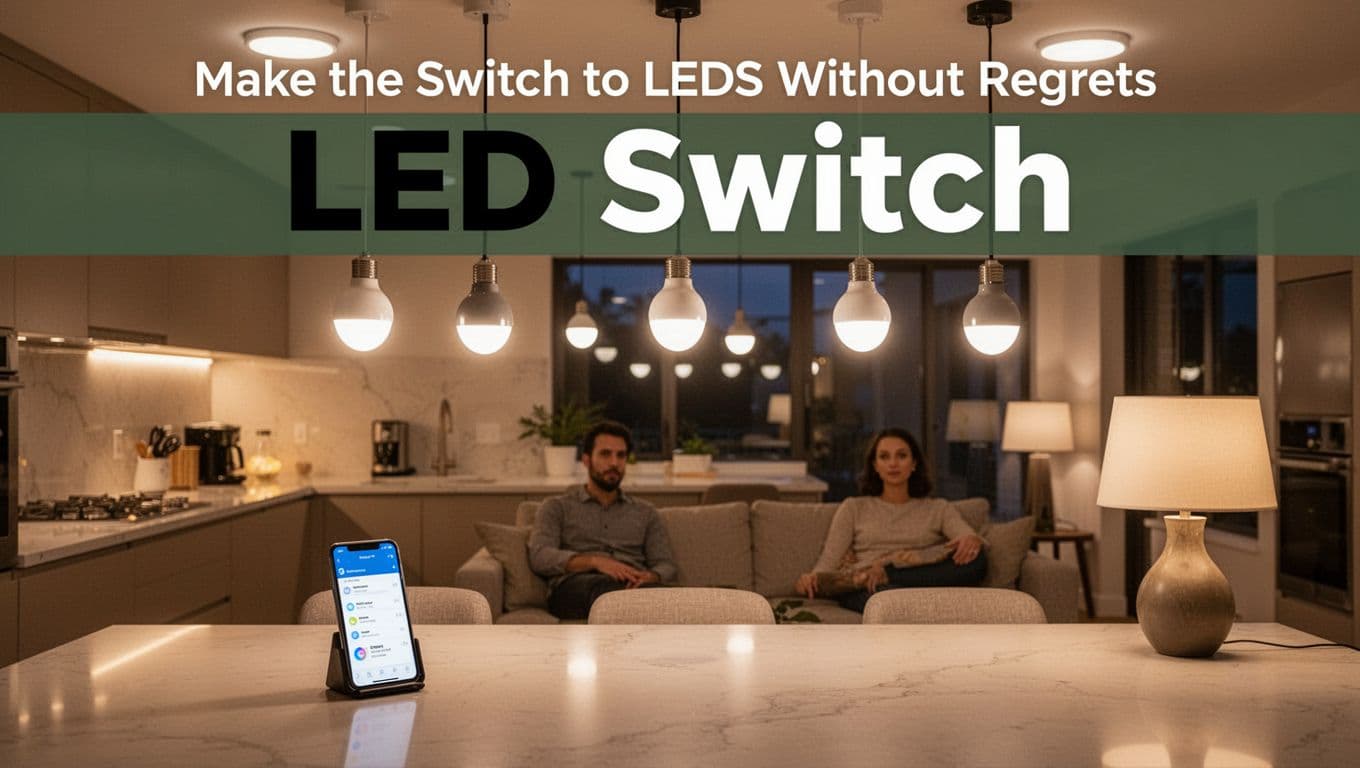
- Dimming so you stop using “full blast” when you only need soft light.
- Mood or scene modes so evenings feel comfortable without extra lamps.
- Motion or app control so lights turn on when you need them and off when you do not.
Here’s the practical math mindset: if you replace even a handful of frequently used fixtures, the savings can stack quickly. A common estimate is about $40 per year for five standard fixtures after switching to efficient LEDs, depending on your rates and how long the lights run.
Before you buy, check two details so you avoid regrets:
- Pick the right brightness (lumens) for each room. Do not just match the old bulb wattage.
- Choose dimmable LEDs if you have dimmer switches, or you can get flicker.
For smart bulbs, you can start small. Swap the bulbs you use most, like kitchen fixtures, living room lamps, or hallway lights. Those get the most “hours on,” so the 30% savings per bulb (from better control and less waste) is most noticeable.
If you want a clear comparison on what changes between bulb types, see LED vs Incandescent Bulbs: What’s the Difference. It helps you sanity-check the claims you see online.
Hunt for Energy Star Deals on Big Appliances
Lighting is the warm-up. Big appliances are where the money can really move because they run often, year-round. If you upgrade your fridge and washer first, you target two major electricity hogs in most homes.
What makes this plan work is the baseline. ENERGY STAR certified appliances are built to use less power and waste less energy while doing the same job. For refrigerators and washers, many households can expect around 20% savings compared to older, less efficient models. That matters because “20%” is not just a label, it’s actual monthly runtime reduced.
To shop smart, think like a buyer, not a bargain hunter. Look for efficiency first, then look for discounts. Here are two practical target areas:
- Refrigerator upgrade (especially if yours is old)
A fridge cycles constantly. Even modest efficiency improvements add up. Keep it full but not packed, set it properly, and ensure door seals stay tight. - Washer upgrade (focus on how you wash)
Many washers use energy to heat water. Efficient models often reduce that load by improving wash performance and water handling.
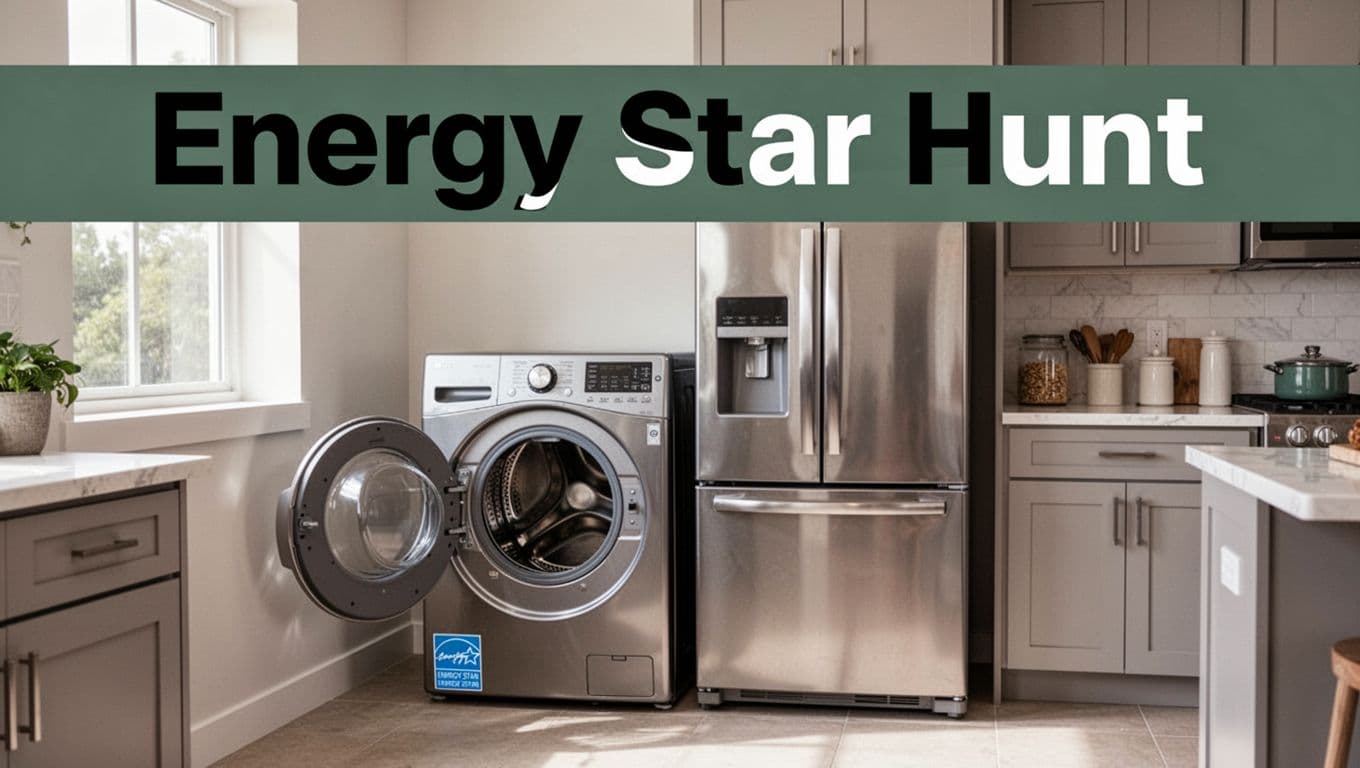
Next, use your routine to amplify the savings. Appliances perform best when you run them right.
- Run the washer full when you can. Small loads cost you extra energy per item.
- Use off-peak time when your utility rates change by hour. Washing or running the dishwasher during cheaper windows can reduce cost even if power use stays similar.
- Avoid half-filled fridge “rearranging.” Instead, keep airflow clear inside the fridge and freezer.
If you want a simple place to start browsing, check retailer pages that filter for ENERGY STAR models, like Energy Star appliances at The Home Depot. Lowe’s also publishes deal pages you can scan for seasonal drops, like appliance savings at Lowe’s.
One important reality check for planning purchases in 2026: many national federal credits for home energy improvements ended after 2025. That means your “payback math” should rely on utility savings and local rebates, not federal credits. For local programs, the easiest path is your utility website, because rebates vary by state and utility.
Also, don’t forget maintenance. Efficient appliances still lose performance if you ignore small things:
- Keep fridge coils clean (when applicable).
- Wash full loads, use the right cycle, and avoid constant re-washing.
- Change filters on compatible appliances and ventilation systems on schedule, because blocked airflow makes every cycle work harder.
Here’s the bottom line for ROI: upgrading a fridge or washer is one of the fastest ways to cut energy use you do not have to think about every day. Choose ENERGY STAR for the baseline efficiency, then run it in a way that matches how it’s designed to work.
Boost Savings with Fans, Insulation, and Solar Power
If you want lower electricity use without living in discomfort, think like a home heat manager. Fans help you feel cooler without cranking the thermostat. Insulation slows the heat fight. Solar then trims your bill by cutting what you buy from the grid.
Cool Off Smart with Fans and Better Insulation
Ceiling fans are not air conditioners. However, they can make your home feel cooler by moving air across your skin. As a result, you often raise your thermostat a bit and let the AC run less.
The US Department of Energy explains that circulating fans create a wind chill effect, so you can stay comfortable at higher thermostat settings. In practice, that means fewer cooling cycles and less electricity use. Use DOE fans for cooling tips to dial in safe, effective fan use.
Next, insulation is the quiet hero. Without it, your cooling power keeps leaking outdoors through the attic, walls, and duct work. When insulation works well, your AC runs for shorter stretches, and indoor temps bounce back faster.
A simple way to plan ROI is to separate the project into “big leak” areas:
- Attic insulation (often the best first target)
- Air sealing (cracks around vents, wiring, and doors)
- Wall insulation (if accessible or during other work)
Here’s a practical cost-and-savings snapshot for homeowners planning an insulation-first approach. Your numbers will vary, but the structure helps you compare options.
| Upgrade | Typical homeowner priority | What it changes | Common payback driver |
|---|---|---|---|
| Attic insulation | High | Slows heat gain in summer | Energy savings plus local incentives |
| Air sealing | High | Stops drafts and warm air intrusion | Lower run time for HVAC |
| Duct sealing (if needed) | Medium | Reduces cooled air loss | How much ductwork sits in unconditioned space |
For ROI context, see insulation ROI factors and similar breakdowns from insulation contractors, which often point to multi-year payback windows depending on your region and utility rates.
Finally, combine both. Run ceiling fans on low to medium while you cool, and check insulation before you overspend on AC settings. That combo tends to feel like getting a raise at work, since your comfort improves while the bill stays calmer.

Tap into Solar and Rebates for Max Impact
Once your home uses less electricity, solar gets simpler. Panels then offset the cleaner, smaller amount you still need from the grid.
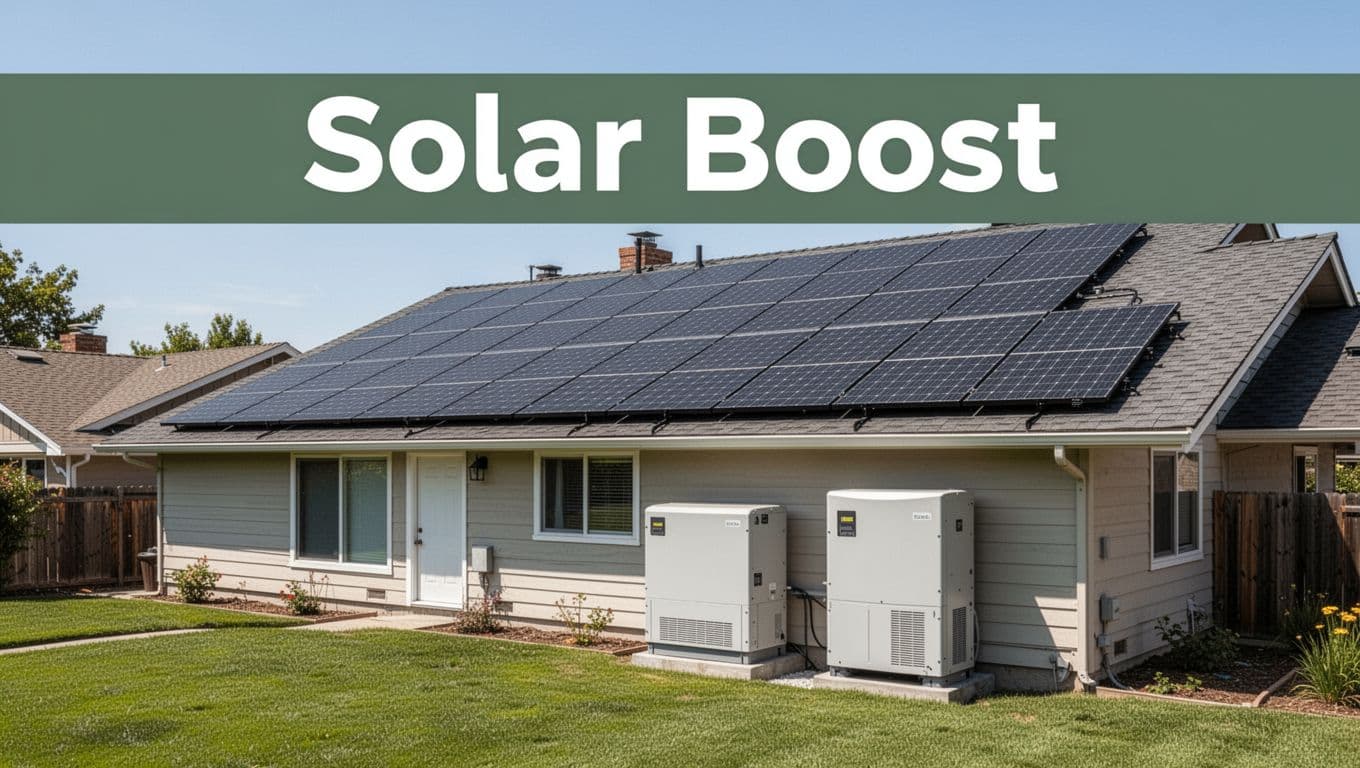
First, watch what changed in 2026. The big federal solar credit for homeowners ended after 2025, so you’ll rely more on state and utility offers, plus financing structures. For a clear view of 2026 options and how incentives may still apply, review solar and battery incentive updates.
Also, don’t treat “solar incentives” as one thing. Instead, think in layers:
- State rebates or tax credits (often based on where you live)
- Sales tax exemptions (some states)
- Utility programs (including bill credits or demand programs)
- Community solar (if rooftop solar is not a fit)
If you can’t or don’t want panels on your home, community solar can still cut your electric bill by letting you buy power from a shared project. For examples of how it works in different states, check community solar overview in New Jersey and community solar in Florida.
Where do rebates fit best? Many homeowners get the most value when they line up timing:
- Improve efficiency first (fans plus insulation)
- Size your solar system to your new usage
- Apply incentives at purchase or installation time
- Plan storage only if it matches your utility program goals
If your utility offers time-based rates or battery programs, batteries can matter more. Even without a battery, solar can stabilize your biggest bill spikes, especially in summer cooling months.
In short, start by shrinking demand with fans and insulation. Then use solar and rebates to pay for the electricity you still use. That order usually delivers the most savings per dollar.
Conclusion
Your electricity bill doesn’t have to be a mystery. Most savings come from a few smart moves that cut the biggest loads first, especially heating and cooling, then trim standby waste (phantom power) and reduce heat loss or gain. If you start with easy habits, you can usually reach 10% to 30% lower usage over time, without living any differently.
Now that you’ve seen what to target, pick the approach that fits your routine. Choose three actions you can do this week, for example, adjust your thermostat schedule, switch off standby devices with a power strip, and run more laundry in cold water. Then track your kWh in your utility app or with a smart plug so you can see proof right away, even before upgrades.
Finally, make sure you’re not leaving money on the table. Check your local utility and incentive options (rebates can vary by state and provider), and focus on the steps you can pair with those programs later. As your usage drops, your wallet gets breathing room, and you also put less strain on the grid, which helps support a cleaner future.
Ready to see your bill drop?