A high utility bill can hit at the worst time. So can a sudden outage, right when you need lights, heat, or the internet most.
The good news is that utility companies usually have options for payment problems and emergencies. When you contact them the right way, you can often get a payment plan, a temporary extension, or help that stops things from getting worse.
This guide walks you through contacting your provider for help. You’ll learn how to find the exact company for your address, pick the fastest contact method, and use the right words so you reach the right team. You’ll also see current 2026 guidance for major help programs and what to do during outages.
Before you call, keep in mind that numbers and rules can change. For anything time-sensitive, check your bill and your provider’s official site.
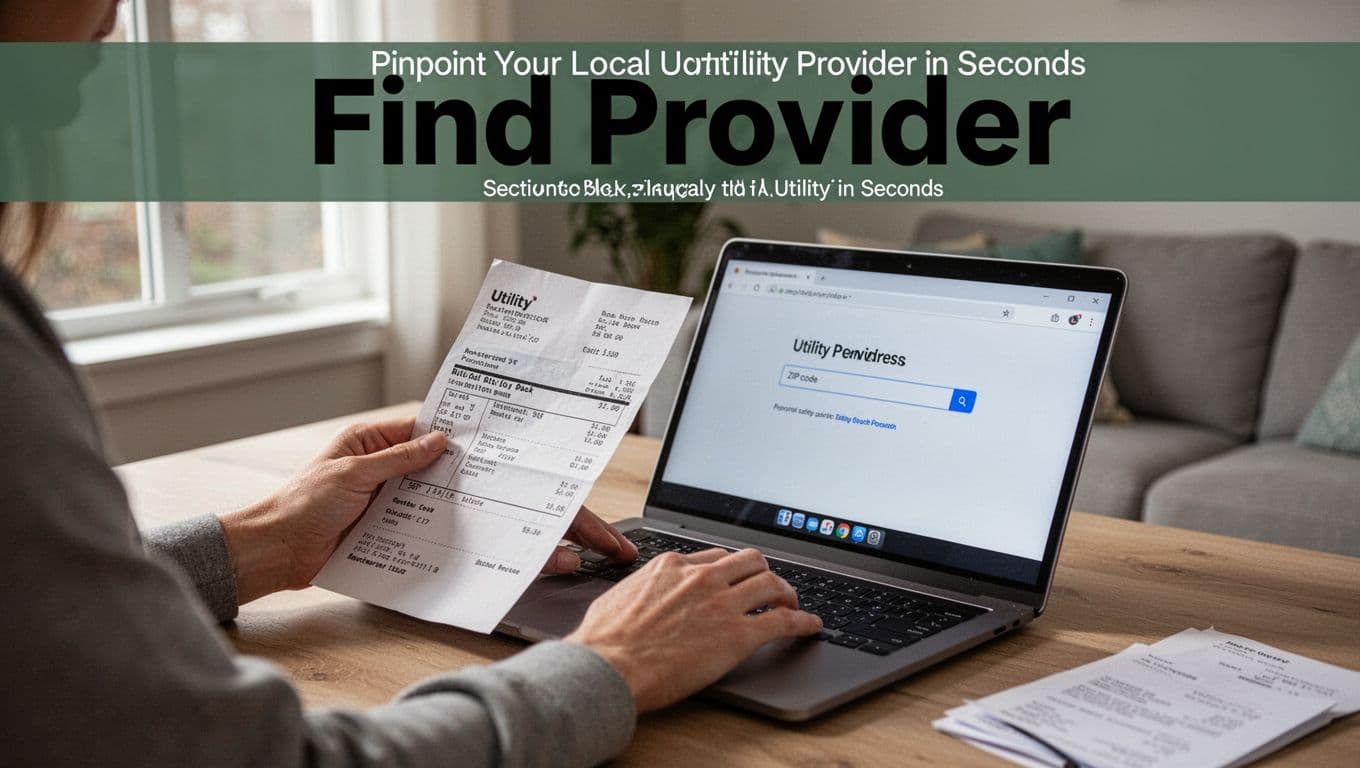
Pinpoint Your Local Utility Provider in Seconds
Utilities aren’t like big national stores. Your services come from local companies, often based on your city or even your ZIP code. That’s why the first step matters so much. If you call the wrong provider, you waste time. Then stress goes up.
Start with the fastest source: your bill. If you don’t have it, use your address and a search tool. For example, these ZIP-focused guides can help you identify the right utility company based on where you live, like identifying utility providers by ZIP code.
Here’s a simple way to find your provider:
- Use your bill first (provider name, account number, and phone are usually printed clearly).
- Search by ZIP code if you can’t find the bill yet.
- Check a utilities directory if you need help matching multiple services at once.
- Call 211 if you’re stuck and need help quickly.
One pro tip: have your bill handy before you start. Even a photo of the top part helps, because it often lists the provider name and contact details.
Example: if you type “90210 utility customer service” or search by ZIP, you’ll usually land on your electric or gas provider’s contact page. Then you can confirm the account details once you call.
If you need water or internet, remember those are often run differently than electric or gas. Still, your best starting point stays the same: your account info.
Use Online Directories and City Sites
When you don’t know who serves your home, directories can save hours. Sites like finding utilities near you let you search for electric, gas, water, and internet providers using your location.
For water, it often works like this: your city or local water department runs the service. That means you can also try city resources like a 311 line (or the city website for service issues). If your problem is “no water” or “low pressure,” the city route is often faster.
For big cities, provider names are usually well known. For example, Los Angeles water and power typically route through LADWP, while Sacramento water and power is often SMUD. Still, confirm locally, because service boundaries can shift.
If you’re moving soon or recently moved, this step can feel like reading a map. Once you know your provider, everything gets easier.
Check Your Bill or Recent Statements
Your bill is basically a cheat sheet. It usually includes the provider’s name, service address, account number, and a customer service phone number.
If you pay online, also check your email. Many providers send statements there, sometimes with a direct help link. In addition, your provider app can show contact options inside the app menu.
Look for these items on the statement:
- Provider name (electric, gas, water, internet)
- Account number (or customer ID)
- Emergency number (often different from customer service)
- Payment address or online portal link
Once you have that, calling becomes much smoother. You can skip back-and-forth questions and get routed faster.
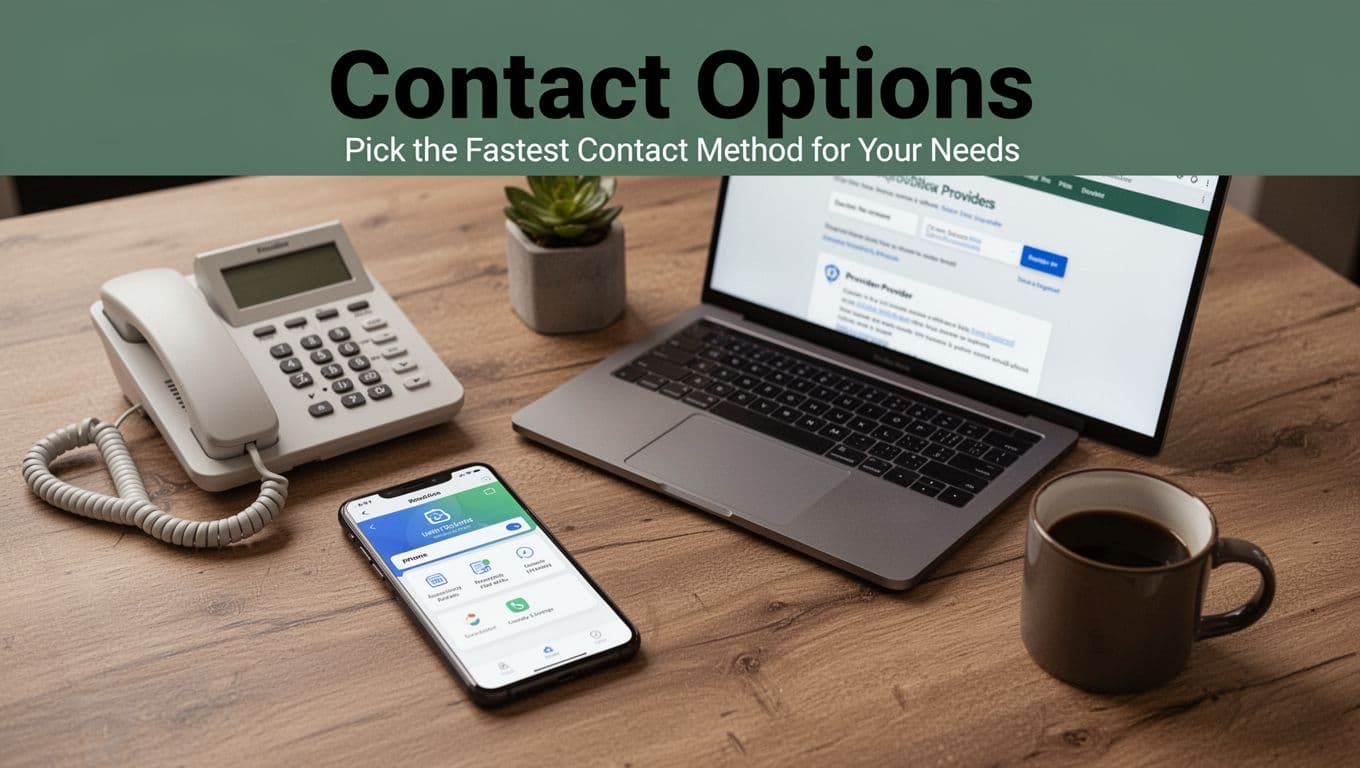
Pick the Fastest Contact Method for Your Needs
So, what’s the quickest way to reach someone? It depends on the problem.
For urgent issues, phone is usually best. For billing problems, you might save time using chat, online forms, or the provider’s app. Meanwhile, for outages, many providers use automated outage reporting tools that work fast.
Also, try your wording. Many phone menus respond better when you say the real issue early. You can often use simple phrases like:
- “Payment help” or “financial hardship”
- “Outage reporting”
- “Service disconnection notice”
If you want to cut wait time, call when lines are calmer, often early morning or late evening. Then be ready with your account number so you don’t get bounced back into a long loop.
Here are the contact options and when they fit best:
- Phone: best for urgent problems and when you need a human.
- Website/chat: good for billing questions, forms, and general help.
- Provider app: helpful for outage reporting and managing your account.
- Social media: can work for public outage updates (not always for billing).
- In-person office: useful if you need documents processed right away.
Phone Lines: When to Call and What to Say
If you think you have an emergency, call the emergency line first. If it’s life-threatening, call 911.
For non-emergencies, call customer service. Try calling in off-hours, because hold times can drop. Then use your account details so the agent can pull up your history.
When the call starts, say this early:
- Your service type (electric, gas, water)
- The main issue (outage, bill help, shutoff notice)
- Your goal (payment plan, reconnection timing, dispute)
If you can’t reach your utility, 211 can sometimes point you to local resources. United Way 211’s utilities expense help can also connect you to programs for payment assistance.
Websites, Apps, and Online Tools
Online tools work best when you need something documented. You can also request help without waiting on hold.
Start by logging into your provider’s website or app. Look for sections like:
- Pay bill
- Report outage
- Payment arrangements
- Special programs or bill assistance
If you’re applying for help, online portals can ask for your household size and income. After that, you can often upload documents.
Apps can also help with smaller issues. Many let you:
- report problems (like outage or service interruptions)
- check current outage status
- view usage
- message support
If your internet is down, switch methods. Call using a mobile phone, or try a provider number from the bill. You can also try a library or community center if you need online access.
Quick Contacts for Top Electricity, Gas, Water, and Internet Providers
Phone numbers vary by state, city, and even service area. So treat this section like a “trustworthy starting list,” not a guarantee.
For electricity and gas emergencies, always confirm with your bill or the provider’s site. These are verified emergency-line examples from current sources. Use them when you suspect danger or outages that require immediate response.
For water and internet, the provider is usually local or region-based. In many places, “water help” goes through your city first, while “internet help” goes through your ISP and app.
Here’s what you can do right now:
| Service type | Examples of where your provider may vary | Phone to use for emergencies | Fastest way to confirm |
|---|---|---|---|
| Electricity | Regional power companies | Duke Energy: 800-777-9898 (outages) | Check your bill top section |
| Gas (natural gas) | Regional gas utilities | PG&E: 1-800-743-5000 (emergency) | Use your bill or provider app |
| Gas (natural gas) | Southern California gas service | SoCalGas: 1-800-427-2200 (emergency) | Confirm in your statement |
| Water | City or municipal utilities | Varies by city | Call city 311 (if available) |
| Internet | ISPs vary by address | Varies by provider | Use your ISP app or statement |
The bottom line: for emergencies, prioritize the emergency line. For non-urgent billing, use customer service or online tools.
Electricity Providers You Might Have
You may have one of several common electric providers depending on your area. The easiest way to confirm is your bill, because electric service boundaries are very local.
If you’re searching, use your ZIP code and look for the provider name shown on your statement. Then contact them for:
- outage reporting
- payment help
- reconnection timing
If your problem is payment-related, ask for “payment plan” or “bill assistance” early. That wording helps you reach the right team faster.
Gas, Water, and Internet Support Numbers
Gas and water are both tied to your exact location, but the contact path can differ.
For gas:
- Use the emergency line if you smell gas or suspect a leak.
- If it’s a billing issue, call customer service, then ask about hardship options.
For water:
- Many cities handle service issues.
- If you need “water bill help,” search your city plus “utility assistance,” then call the listed number.
For internet:
- Billing help is usually handled by your ISP.
- Outages and equipment issues often route through the provider’s app.
Most importantly, don’t wait. If you’re close to a shutoff date, call as soon as you can. Many programs and payment arrangements work on a first-request basis.
Tap Into Bill Help and Assistance Programs
When money gets tight, contacting your utility should feel like a first move, not a last resort. Utilities often offer ways to reduce harm, like payment plans, extensions, or budget billing.
Start with your goal. If you’re behind, say that plainly. If you fear a shutoff, say that too. Then ask about:
- payment arrangements
- late fee waivers (if offered)
- bill assistance programs
- reconnection requirements
For national help options, USAGov provides a clear starting point. It covers programs like LIHEAP and also explains how to find local help. See get help with energy bills.
If you’re in a tough month, act early. Even a small payment plan can keep utilities from escalating the situation.
Low-Income Aid Like LIHEAP and Lifeline
LIHEAP can help some households pay heating and energy costs. The rules depend on where you live, so your local eligibility may differ.
In 2026, it’s still important to confirm your application window and local office details. A good way to check eligibility is the official LIHEAP tool from the LIHEAP Clearinghouse: LIHEAP Eligibility Tool.
Besides LIHEAP, some places offer other support programs. For internet, there’s also the Affordable Connectivity Program (ACP), but the program status can change. If you need internet help, check with your ISP and local resources to confirm what’s available right now.
If you apply, keep common documents ready:
- proof of income
- photo ID
- recent utility bills
- household size information
Budget Plans and Temporary Extensions
Even if you don’t qualify for assistance, you might still qualify for a plan that buys time.
Ask about:
- payment extensions (time to pay)
- budget billing (spreading costs)
- short-term payment plans (monthly amounts)
A payment plan is often like a bridge. It helps you cross a bad month without getting stranded.
Also, ask what happens next. For example, ask:
- what payment amount is due now
- what happens if you miss one date
- how to avoid additional fees
When you get an agreement, ask for a confirmation method. If possible, ask for an email confirmation or a reference number.
Handle Outages and Emergencies Without Panic
Outages happen. When they do, your goal is safety first, then communication.
If you see a downed wire, keep your distance. If you suspect gas, treat it as urgent.
For natural gas safety, Washington Gas explains what to do if you smell gas. Their guidance starts with leaving the area and calling emergency services. Read the safety steps here: natural gas safety guidance.
In plain terms, follow this order:
- Leave the danger area if you smell gas or see sparks.
- Call 911 from a safe spot.
- Then call your utility’s emergency line if advised.
- For electric issues, report outages or hazards to the utility and avoid any downed power lines.
For non-emergency outages, use the provider app or the outage page. Many companies can confirm whether your area has an active outage. That helps you avoid repeat calls.
Also, prepare basic support at home:
- flashlight (and spare batteries)
- phone charger
- blankets if heating is out
If the outage happens during a cold or heat wave, say that when you call. Agents can sometimes prioritize vulnerable customers when conditions are dangerous.
Finally, if your internet is out, don’t wait for email. Use a phone call, or try the provider’s outage reporting tool from a mobile network.
Conclusion: Contacting Your Utility Can Reduce Stress Fast
You started this post because you needed help, fast. Whether it’s a high bill or an outage, your next move is the same: find the right provider, then contact them in the right way.
Pick the method that matches your problem. Use phone for urgent issues, and use apps or websites for billing help. Then ask specific questions about payment plans and assistance programs.
If you’re worried about shutoff or you feel unsafe, act now. Utilities want to help, so reach out today.
What’s the first thing you’ll do after reading this, find your provider name on the bill, or call the emergency line if there’s danger?